
Exploring Durga, Shakti and the Living Traditions of Devi
DurgaShakti is a growing knowledge resource for understanding Durga, Shakti and the many expressions of the Divine Feminine in Hindu traditions.
Here you can explore the stories and symbolism of goddesses, read about important scriptures and festivals, understand mantras and prayers in context, visit sacred places through their histories and traditions, and follow the relationships that connect Devi with the wider Hindu sacred world.
The aim is not to present Hindu tradition as one fixed or uniform system. Texts, regions, lineages and communities often preserve different interpretations and practices. Wherever those differences matter, DurgaShakti identifies them rather than blend them into a single account.
Start with: Durga · Shakti · Forms of Devi
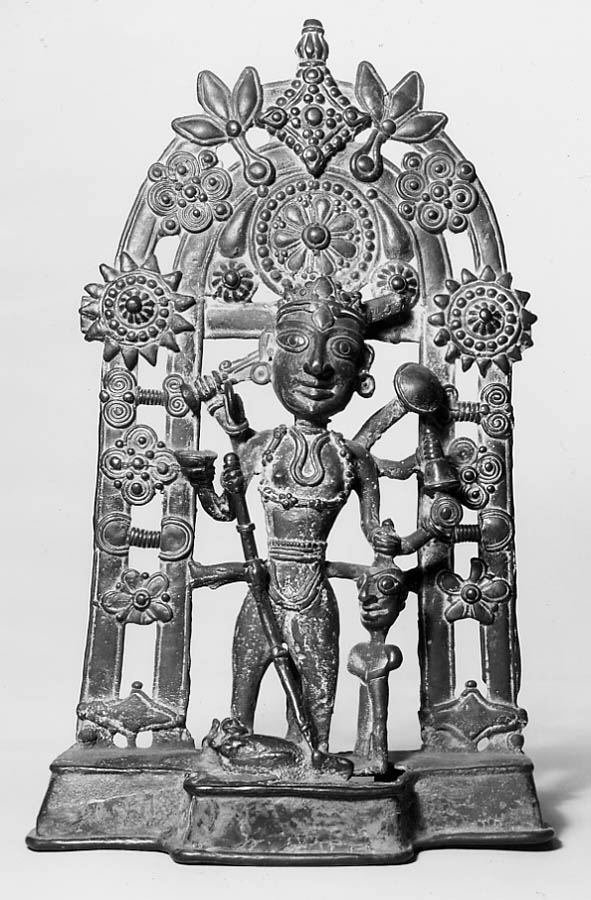
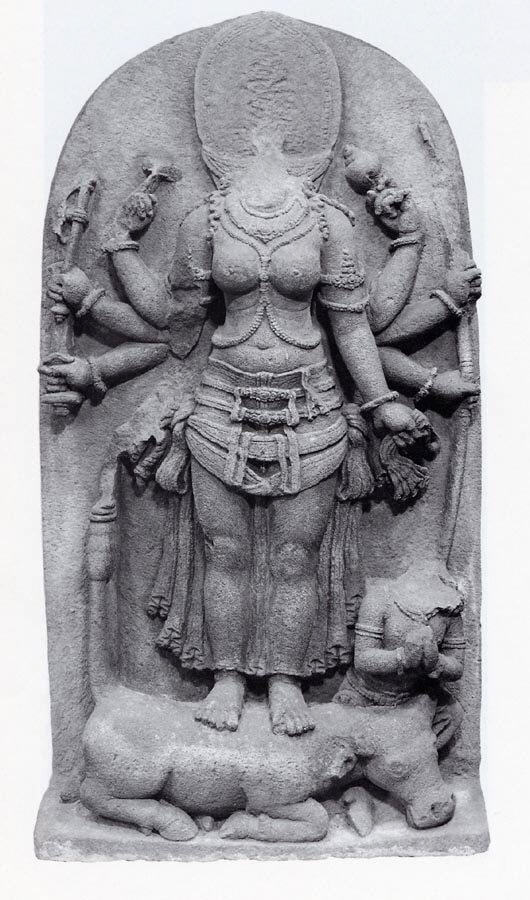
At the Heart of DurgaShakti: Durga
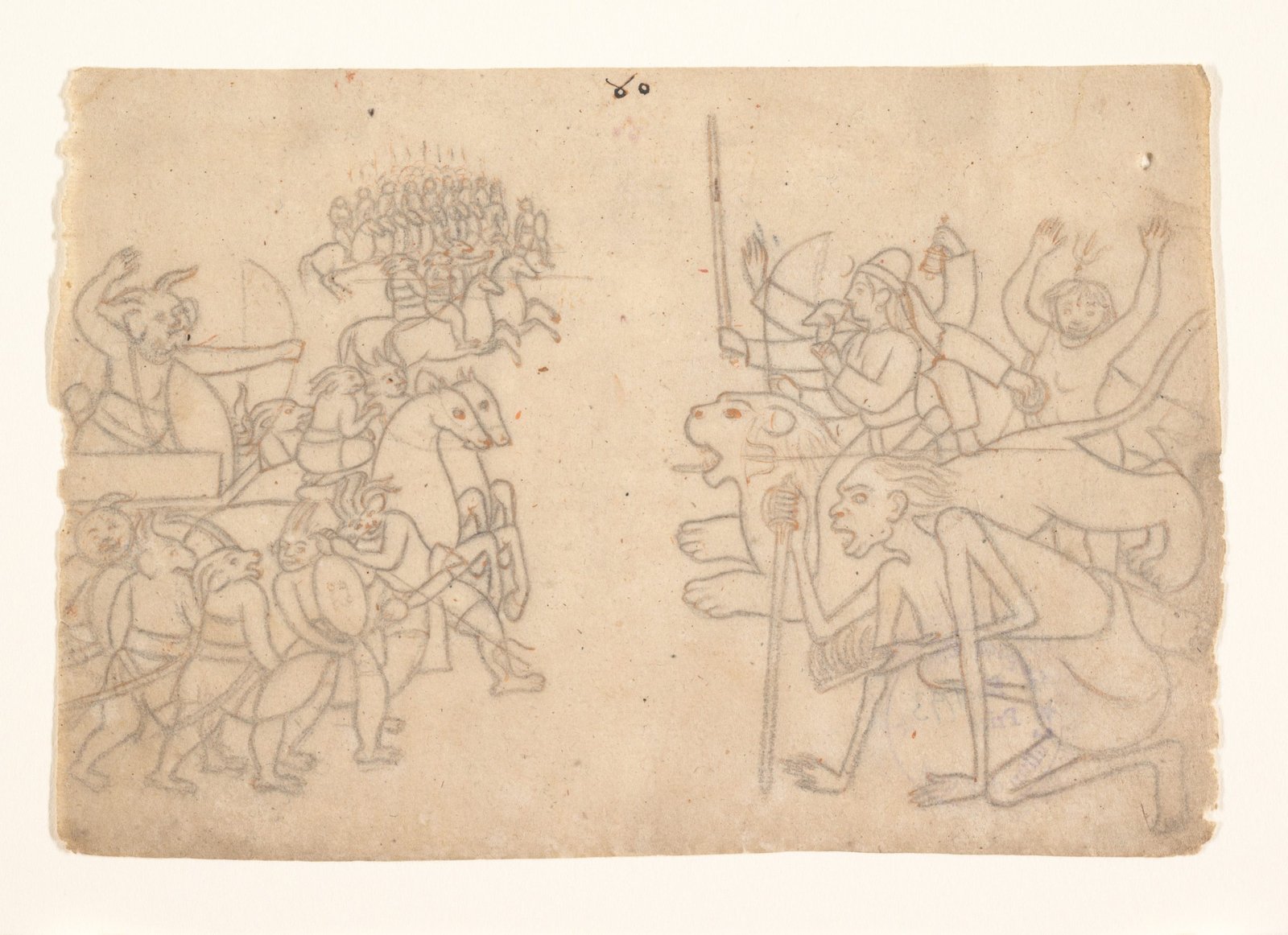
Durga is one of the most widely recognized forms of the Goddess in Hindu tradition. She appears as protector, warrior and manifestation of divine power, and her victory over the buffalo demon Mahisha became one of the most enduring narratives and visual themes associated with the Goddess.
The story is especially prominent in the Devi Mahatmya, where the Goddess confronts forces the other gods are unable to overcome. Across centuries, artists in India and beyond have represented Durga as Mahishasuramardini, “the slayer of Mahisha,” often surrounded by the weapons and symbols associated with her power.
What Is Shakti?
The Sanskrit word Shakti can refer to power, energy or capacity, but within Hindu religious and philosophical traditions its meaning becomes much richer. Shakti may be understood as divine power itself and, in traditions centered on the Goddess, as the supreme feminine reality through which the universe manifests and acts.
The concept is expressed in many ways across Hindu traditions, from theology and philosophy to temple worship, ritual, poetry and visual art. Durga, Kali, Lakshmi, Saraswati, Parvati and other goddesses may each be understood in relation to Shakti, although different traditions explain these relationships differently.
Forms of Devi
The Hindu Goddess cannot be reduced to a single personality or image. Devi, “the Goddess,” is encountered through many names, forms and theological traditions.
Meet six Goddesses in the DurgaShakti knowledge library:
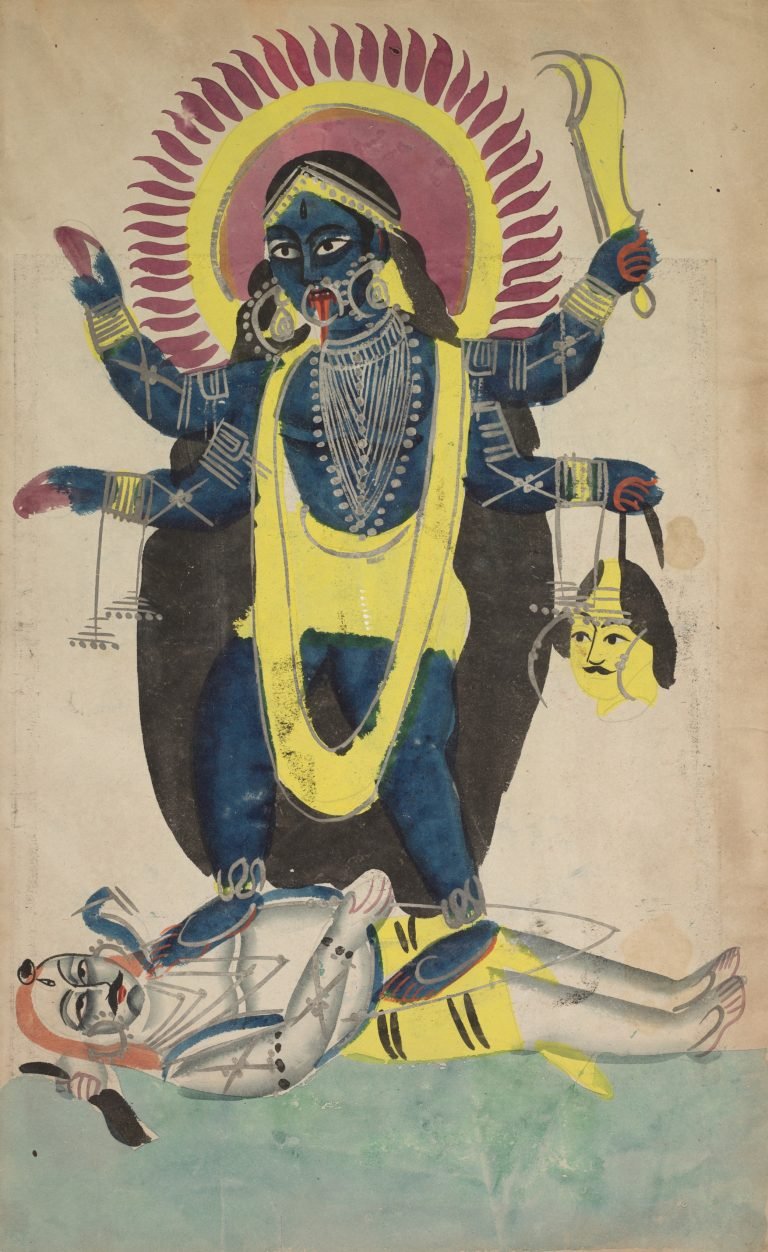
Kali Dancing on Shiva, from a Kalighat album, Bengal, ca. 1890. Cleveland Museum of Art, 1980.216.a. Gift of Mr. and Mrs. William E. Ward in memory of Dr. William G. Archer. Image source. CC0 1.0. Kali
Time, transformation, protection, fierce Goddess traditions and liberation.
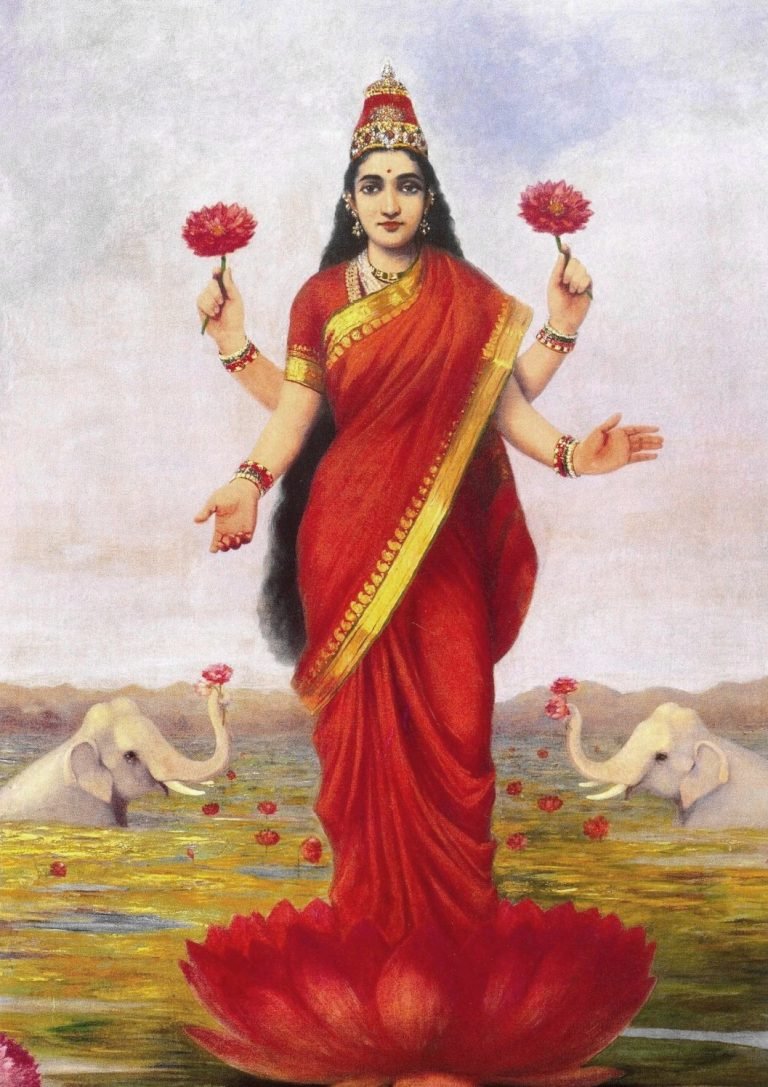
Goddess Lakshmi, Raja Ravi Varma, 1896. Oil on canvas. Maharaja Fateh Singh Museum, Vadodara, Gujarat. Reproduction via Wikimedia Commons. Image source. Public domain. Lakshmi
Prosperity, auspiciousness, abundance and flourishing.
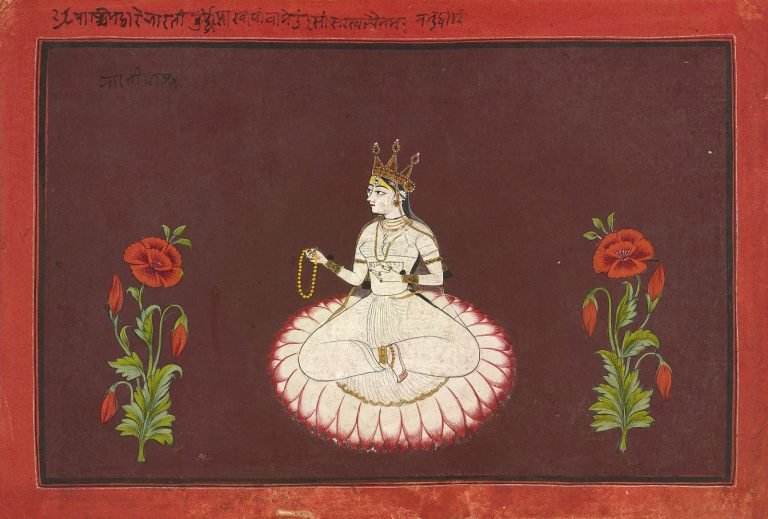
Saraswati, folio from a Goddess series, attributed to Wajid, Sawar, Rajasthan, ca. 1680-1700. Opaque watercolor and gold on paper. National Museum of Asian Art, Smithsonian Institution, S2018.1.40. Image source. CC0. Saraswati
Knowledge, learning, speech, music and the arts.
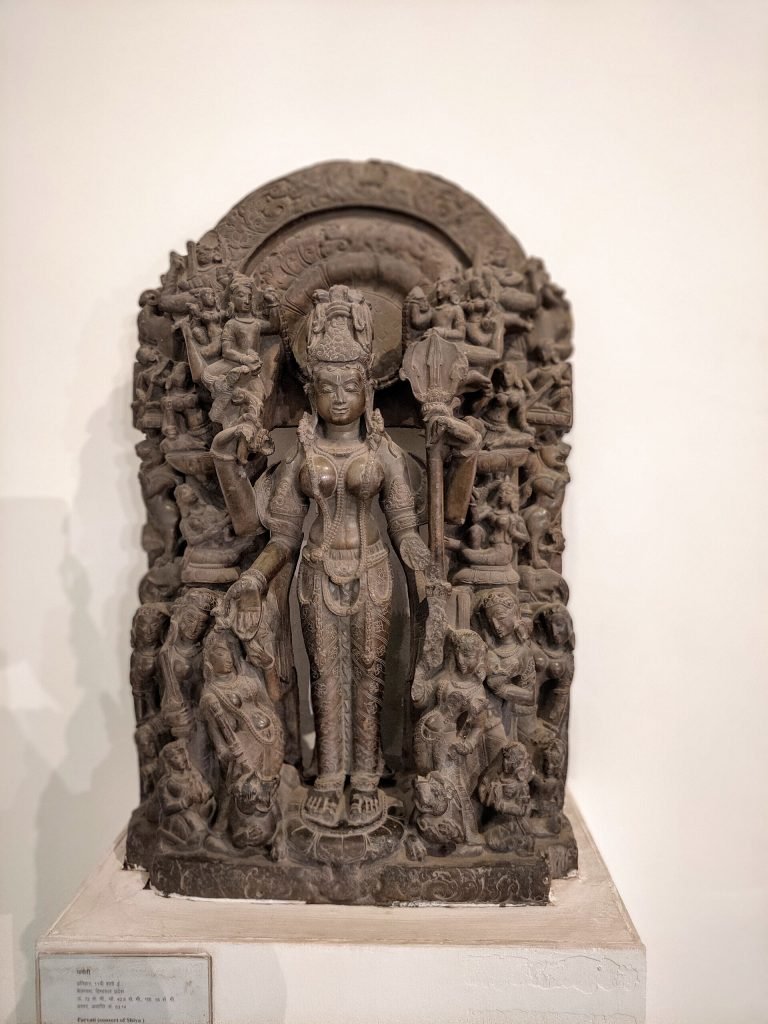
Parvati, National Museum, New Delhi. Photograph: Dr Sandip Roy, 23 June 2022. Image source. CC BY 3.0. Parvati
Goddess of the mountain, Shiva-Shakti traditions, devotion and divine family.
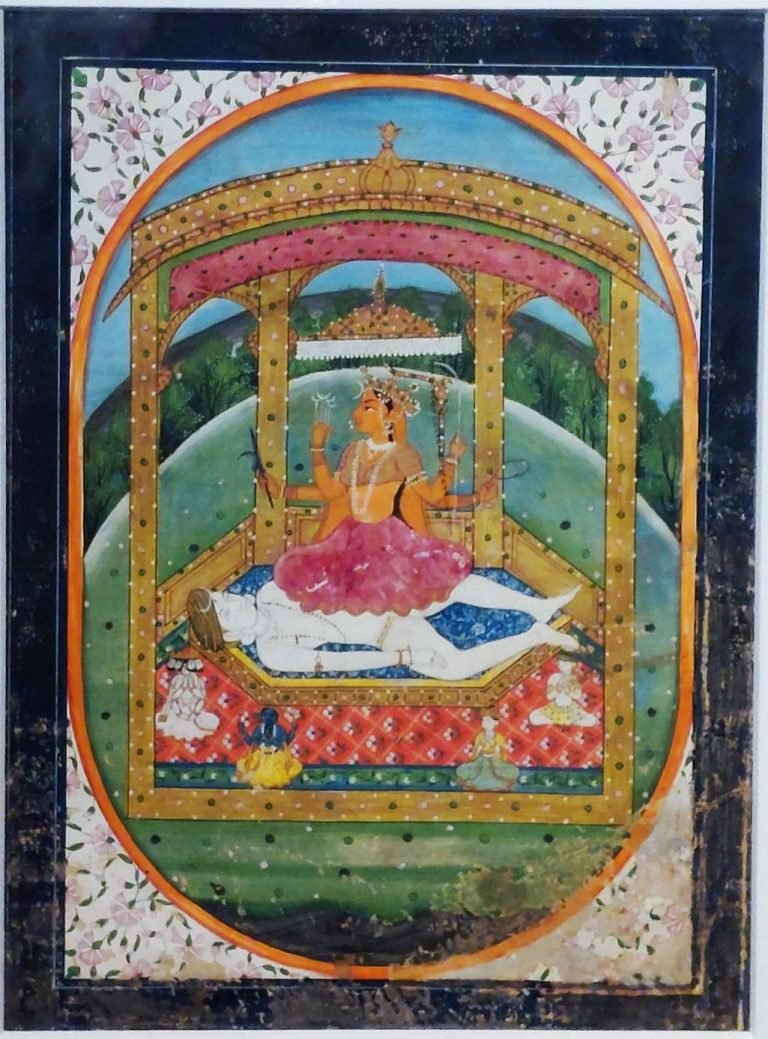
Tripurasundari, Rajasthan school, late eighteenth century, catalogued at the National Museum, New Delhi. Photograph: SpeakingArch, 2026. Image source. CC BY-SA 4.0. Lalita Tripurasundari
Supreme Goddess of Sri Vidya and the tradition of the Sri Chakra.
Durga as Mahishasuramardini, the slayer of the buffalo demon Mahisha. India, ca. 1400. The Metropolitan Museum of Art. Source · Public domain Durga
Protector, Mahishasuramardini and one of the central forms of the Great Goddess.


Scriptures & Sacred Texts
Many ideas associated with Devi developed through sacred literature composed and transmitted across different periods and traditions.
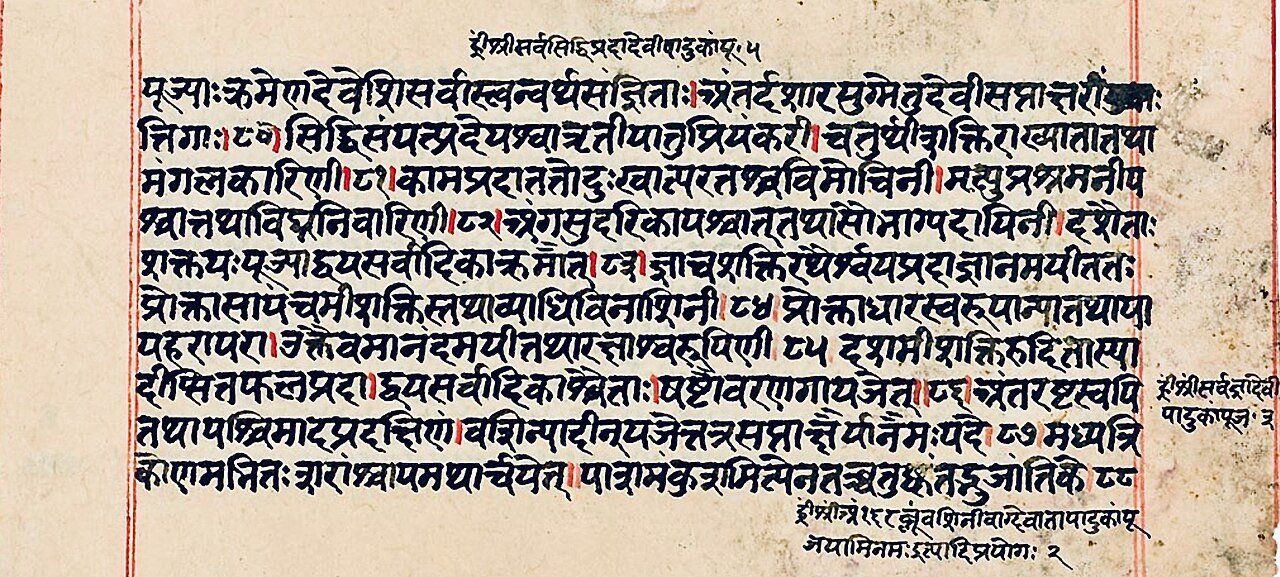
Texts discussed across DurgaShakti include the Devi Mahatmya, Devi Bhagavata Purana, Lalita Sahasranama, selected Puranic traditions, and other works that have shaped Hindu understandings of the Goddess.
Rather than quoting later popular explanations as though they came directly from scripture, our guides aim to identify where a story, name, teaching or practice is actually found and how it has been interpreted.
Festivals & Sacred Days
Festivals make the traditions of Devi visible in homes, temples and communities.
Navratri
Navratri, the “nine nights,” is celebrated through several regional and traditional forms. Practices may include fasting, recitation, temple worship, music, dance, household observances and the worship of different forms of the Goddess.
Durga Puja
Durga Puja is particularly associated with eastern India and especially Bengal, where elaborate images of Durga and her accompanying deities are worshipped before being taken in procession for immersion.
Mantras, Stotras & Prayers
Sacred sound is an important part of many Hindu devotional traditions, but mantras, hymns and prayers do not all come from the same source or serve the same purpose.
Read about the textual and devotional settings of sacred recitation in the existing Goddess and festival guides. The Mantras page brings these discussions together for contextual reading.
Symbols, Philosophy & Sacred Ideas
What does the lion associated with Durga signify? Why is the Goddess shown with many arms? How are Shakti and Shiva related? What do traditions mean when they speak of Devi as ultimate reality?
DurgaShakti examines these questions through scripture, philosophy, theology, iconography and living traditions rather than relying on simplified symbolic lists.
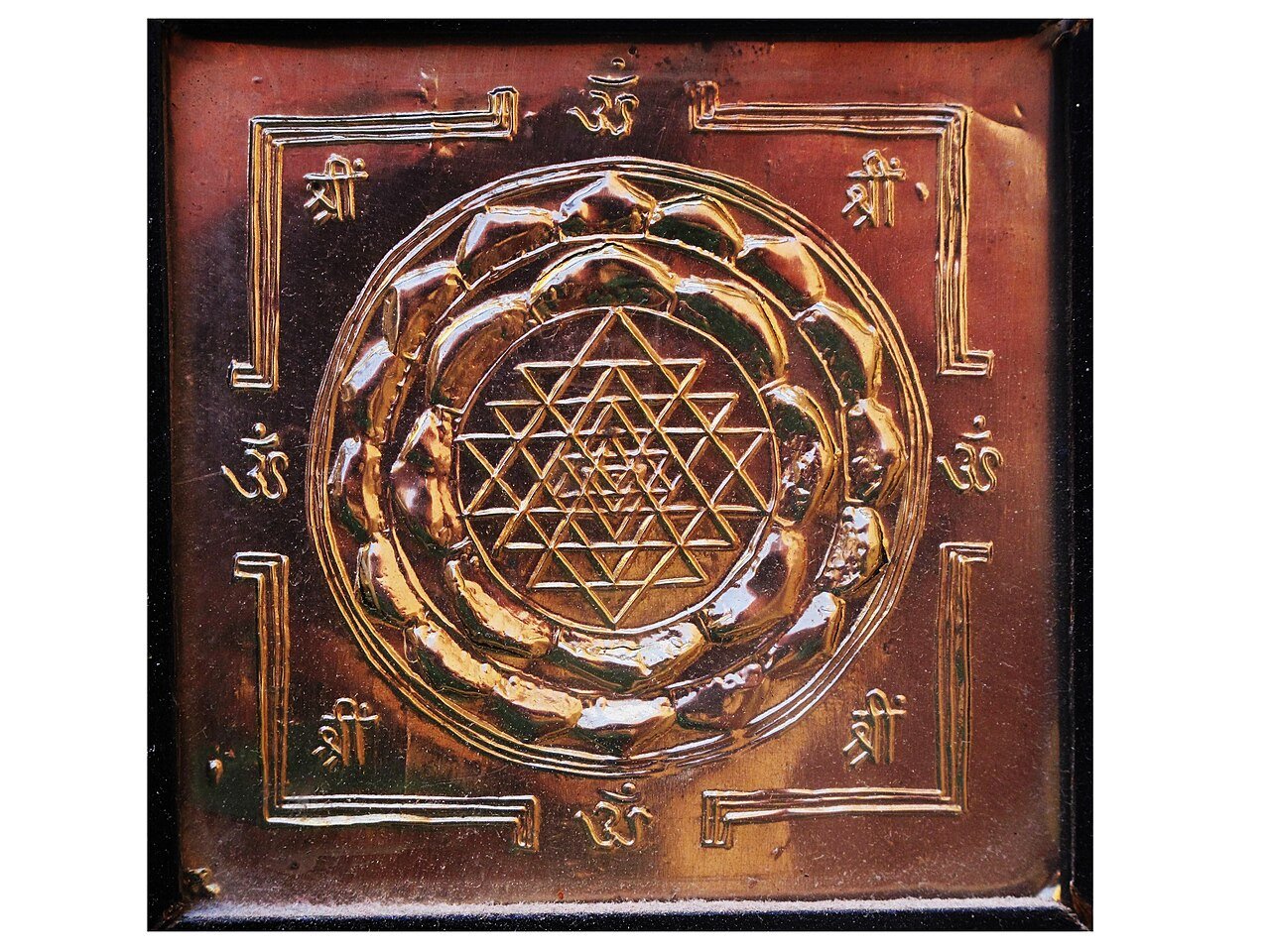
Topics include Shaktism, Sri Vidya, the Mahavidyas, divine weapons, vahanas, yantras, bija mantras and the philosophical meanings attached to Shakti.
Read about symbols and philosophy →

Temples & Sacred Places
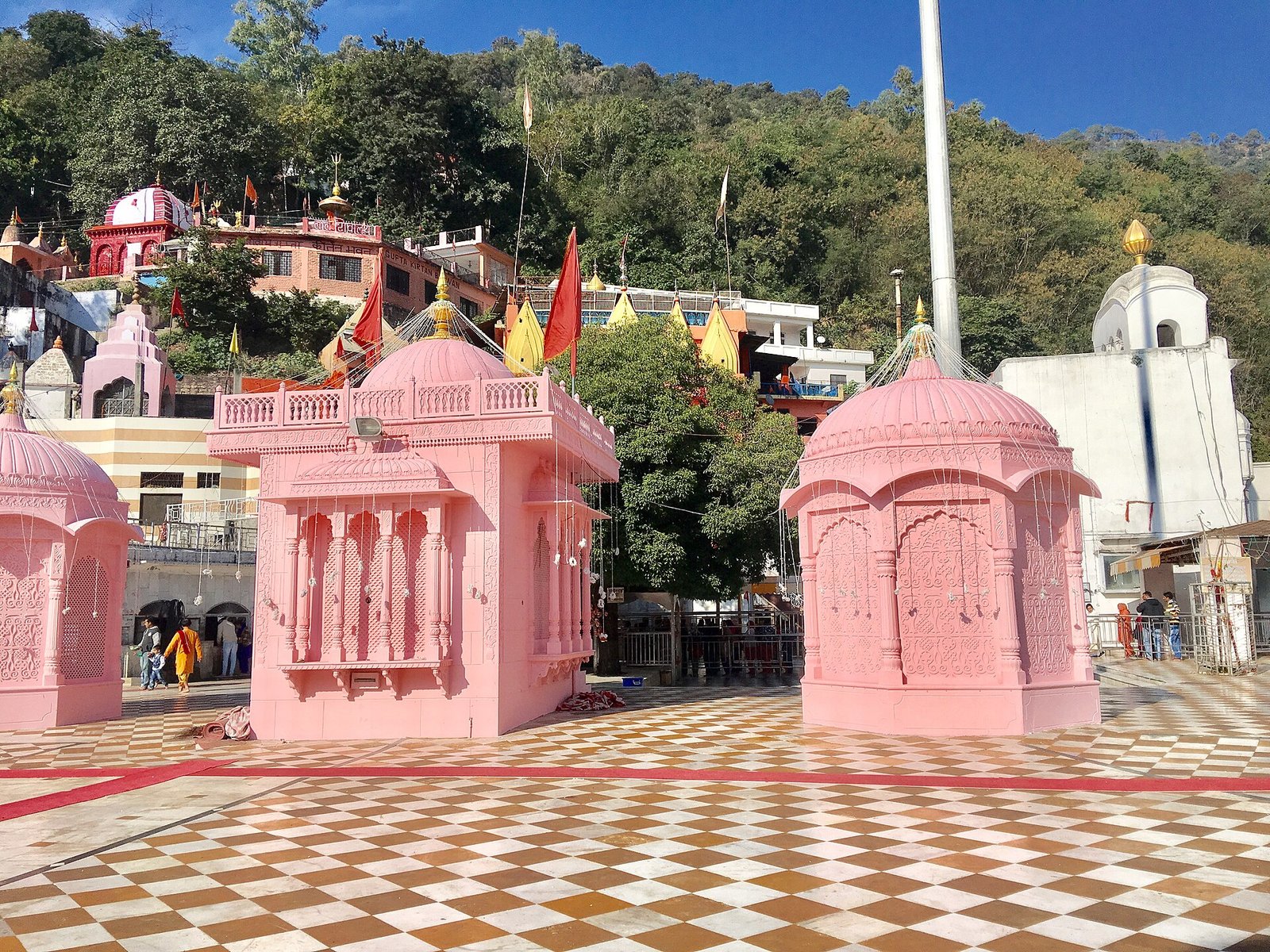
Temples devoted to Devi preserve layers of theology, regional history, pilgrimage and living worship.
Shakti temples, Shakti Peethas and other sacred places have distinct histories. Their traditional sacred narratives require consideration alongside historical and archaeological evidence.

Related Gods & Divine Relationships
The traditions of Devi are deeply connected with other Hindu deities.
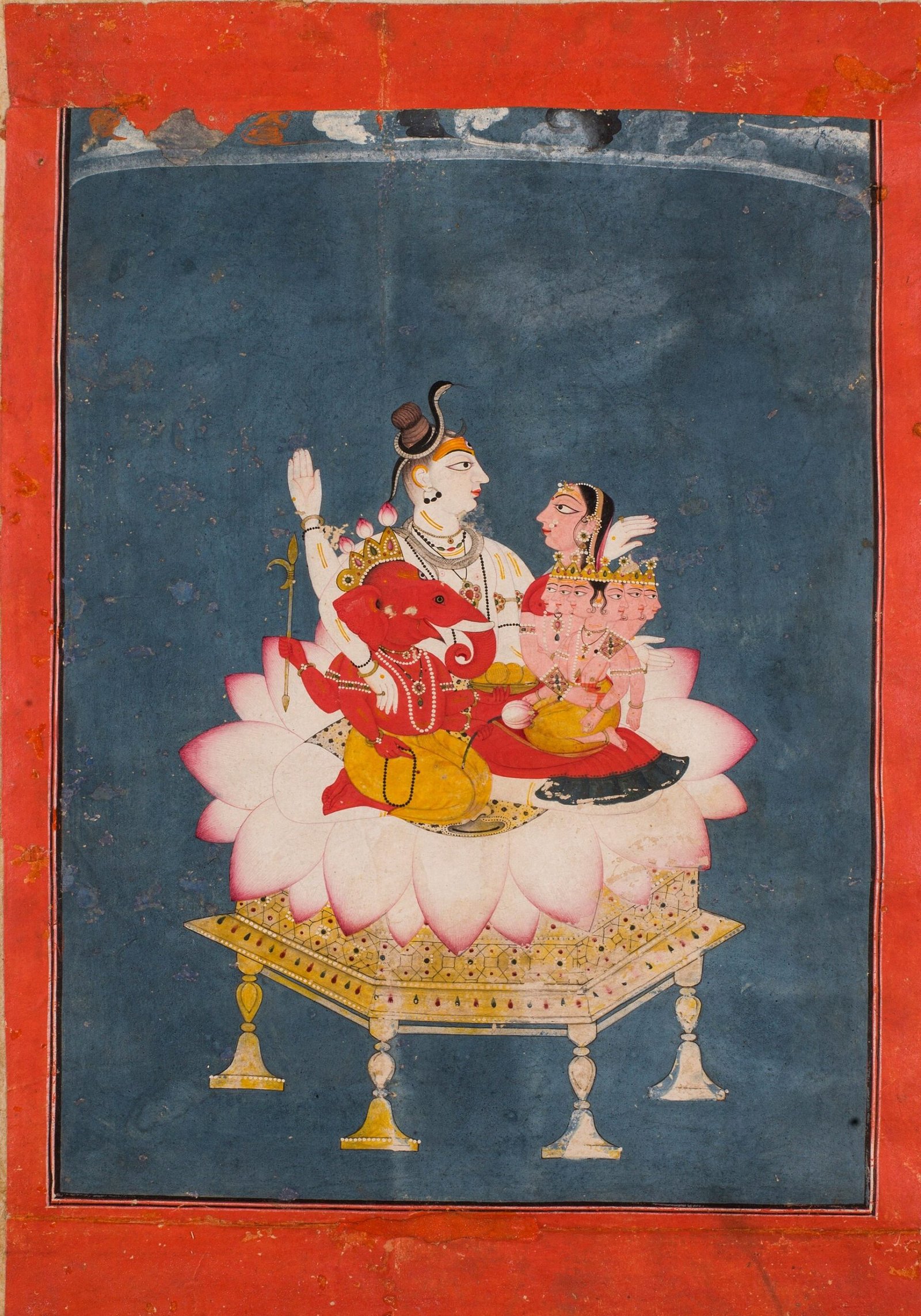
Parvati and Shiva, Lakshmi and Vishnu, Saraswati and Brahma, Durga and the wider assembly of gods, as well as Ganesha and Kartikeya within Goddess traditions, all appear within different textual and devotional contexts.
These relationships differ across Hindu traditions and need to be understood in their specific contexts.
Read about divine relationships →

Books & Resources
Useful translations, scholarly studies, devotional works and introductory books offer readers ways to go further.
Our resource selection prioritizes credible translations and sources.

A Carefully Sourced Approach to Hindu Tradition
DurgaShakti is written for readers who want both accessibility and depth.
Our approach distinguishes among:
- what a particular scripture says
- how later traditions interpret it
- regional and lineage-specific practice
- historical and academic scholarship
- modern popular belief
Where traditions disagree, we aim to describe those differences fairly. Where historical evidence is uncertain, we say so.
Continue Exploring
If you are new to the subject, begin with Who Is Durga? or What Is Shakti?.
If you already know the major stories and want to explore further, browse Forms of Devi, Sacred Texts, Festivals or Mantras & Prayers.