
For autumn reading, start with Navratri and its regional traditions, the Navratri 2026 India and USA dates, and Durga Puja in Kolkata and Bengal. These guides sit within the wider calendar of Goddess festivals described below.
Festivals & Sacred Days
Festivals bring traditions of Durga, Shakti and Devi into household worship, temple life and public celebration. Observance varies with region, community, deity tradition, calendar and family custom. These guides explore the stories, ritual settings and living practices that give each festival its particular character.
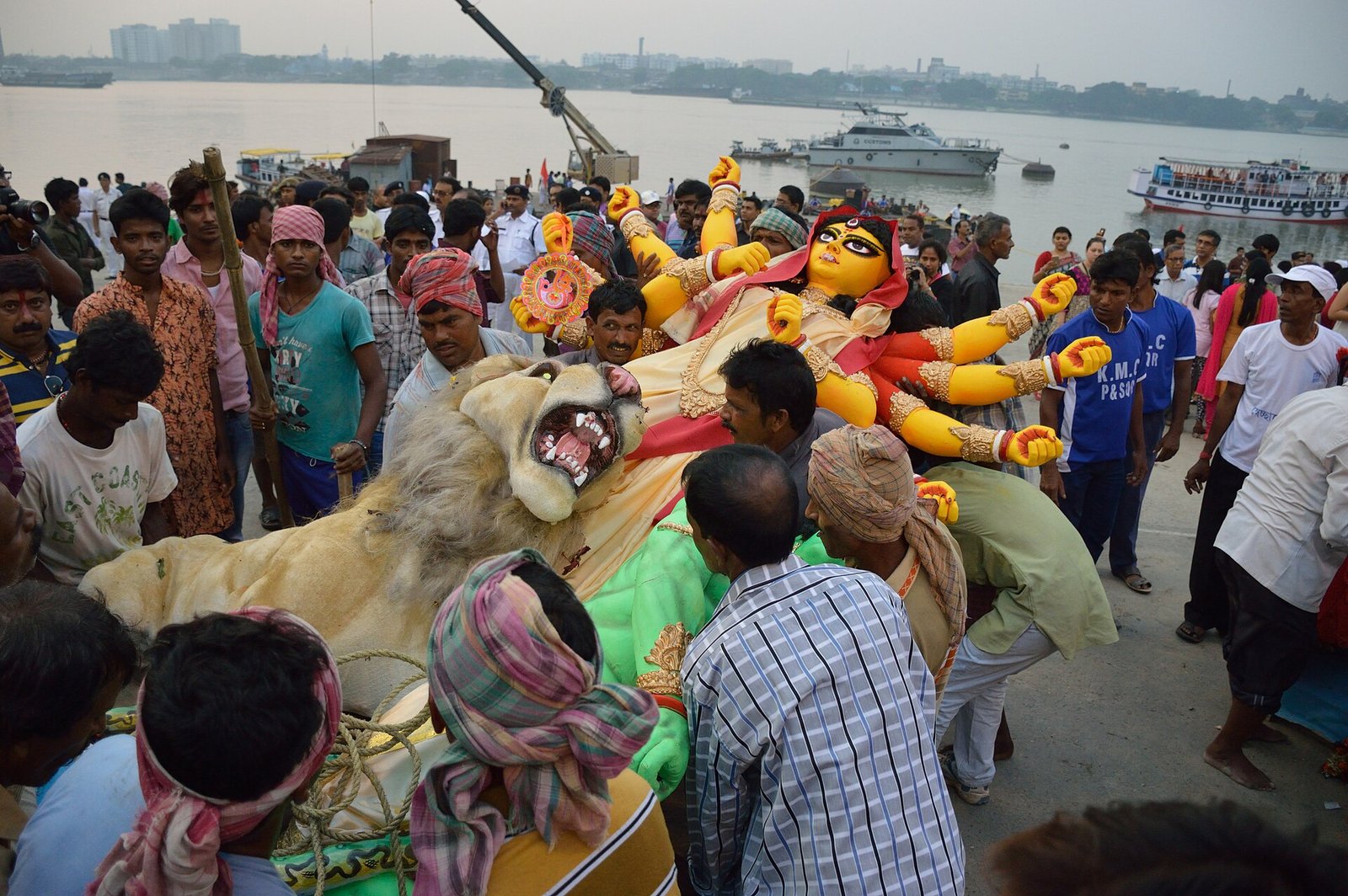

The collection includes Navratri, Durga Puja, Dussehra / Vijayadashami, Kali Puja, Diwali and Lakshmi Puja. Their calendars and devotional worlds sometimes overlap, while their regional histories and community practices remain important to understanding them.
Why Festivals Matter in Goddess Traditions
Goddess traditions are preserved not only through texts and temples but also through repeated acts of community practice.
A festival may bring together:
- Household worship
- Temple ritual
- Music and dance
- Fasting and feasting
- Pilgrimage
- Storytelling
- Artisan traditions
- Sacred image-making
- Seasonal customs
- Public processions
- Regional identity
These elements can change over time while the festival remains recognizable to the communities that celebrate it.
This is especially visible in large public celebrations such as Durga Puja in Kolkata, where religious worship exists alongside sculpture, architecture, music, neighborhood organization and temporary artistic installations. UNESCO inscribed Durga Puja in Kolkata on the Representative List of the Intangible Cultural Heritage of Humanity in 2021 and described the festival as a major public expression of religion and collaborative art.
Festival traditions therefore give us a way to understand Hinduism as something people do together, not only something preserved in sacred texts.
Navratri: Nine Nights of Goddess Worship
Navratri, literally “nine nights,” is one of the most widespread festival cycles associated with Goddess worship.
The autumn Navratri is especially prominent, although Navratri observances occur at other points in the Hindu calendar as well.
Across different regions, the festival may include worship of Durga or other forms of Devi, fasting, recitation, temple visits, music, dance and community celebrations.
The regional variation is substantial.
Gujarat
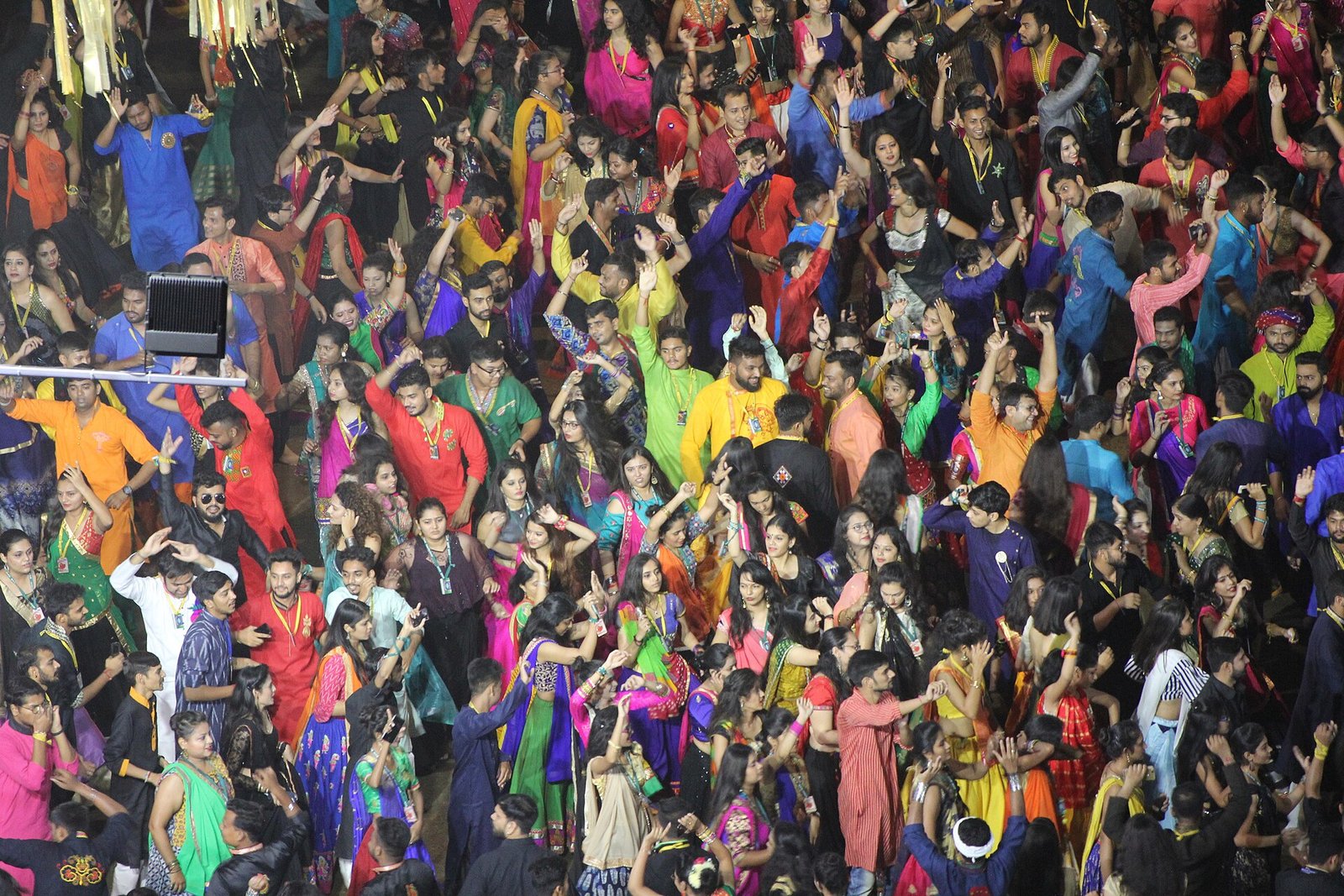
In Gujarat, Navratri is closely associated with Garba, a devotional circular dance performed around a lamp, sacred vessel or image representing the Goddess.
UNESCO inscribed the Garba of Gujarat on the Representative List of the Intangible Cultural Heritage of Humanity in 2023. Its documentation describes Garba as a devotional practice performed during Navratri around a sacred center associated with the Mother Goddess and Shakti.
Modern public Garba can involve thousands of participants, while older neighborhood, temple and community traditions continue alongside large organized events.
North India
Across parts of North India, Navratri may include fasting, household worship, temple pilgrimage and the worship of forms of the Goddess over nine days.
The season can also overlap with Ramlila and Dussehra traditions, creating a festival landscape in which Goddess worship and Ramayana-centered celebrations take place during the same sacred period.
North Indian Devi temples and pilgrimage centers can become especially active during Navratri, including important Goddess sites in Himachal Pradesh, Uttarakhand, Jammu and other regions.
These traditions have distinct temple histories and Shakti Peetha associations.
South India
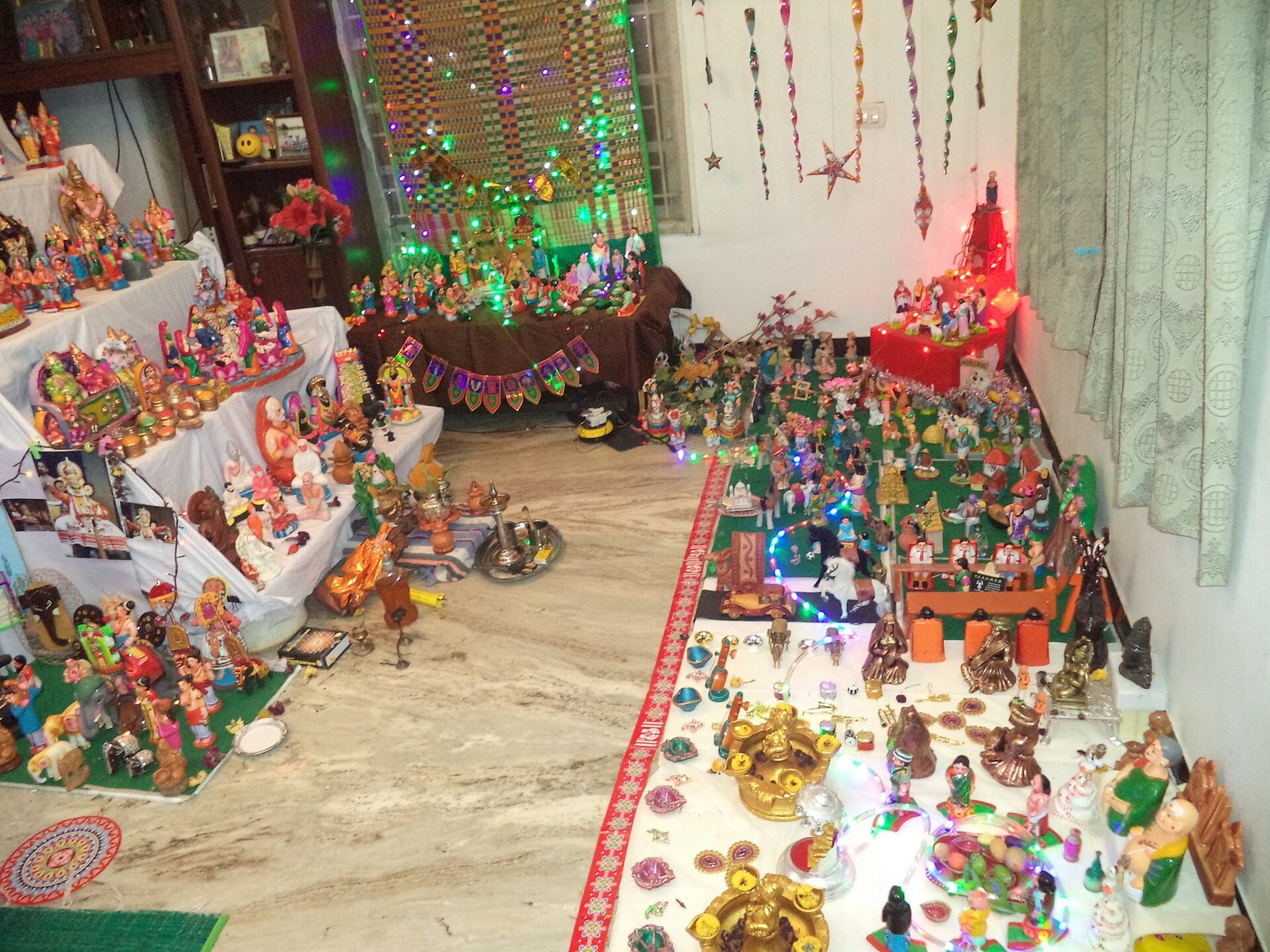
In parts of South India, Navratri may be celebrated through Golu or Kolu, displays of dolls and sacred figures arranged in tiered settings within homes and community spaces.
Music, visiting, gift exchange and worship of different dimensions of the Goddess may form part of the season.
Saraswati and learning become particularly significant toward the closing days in several southern traditions.
Eastern India
In Bengal and neighboring regions, the autumn Goddess season is strongly associated with Durga Puja, whose public artistic and ritual forms developed their own distinctive character.
These overlapping traditions illustrate why Navratri should be understood as a festival family with major regional expressions rather than one uniform ritual practiced identically everywhere.

Durga Puja: Worship, Art and Community
Durga Puja is one of the most important festivals dedicated to Goddess Durga and is especially associated with Bengal.
The festival reaches its most visible public expression in Kolkata and throughout West Bengal, but it is also celebrated in other parts of India, Bangladesh and the Bengali diaspora.
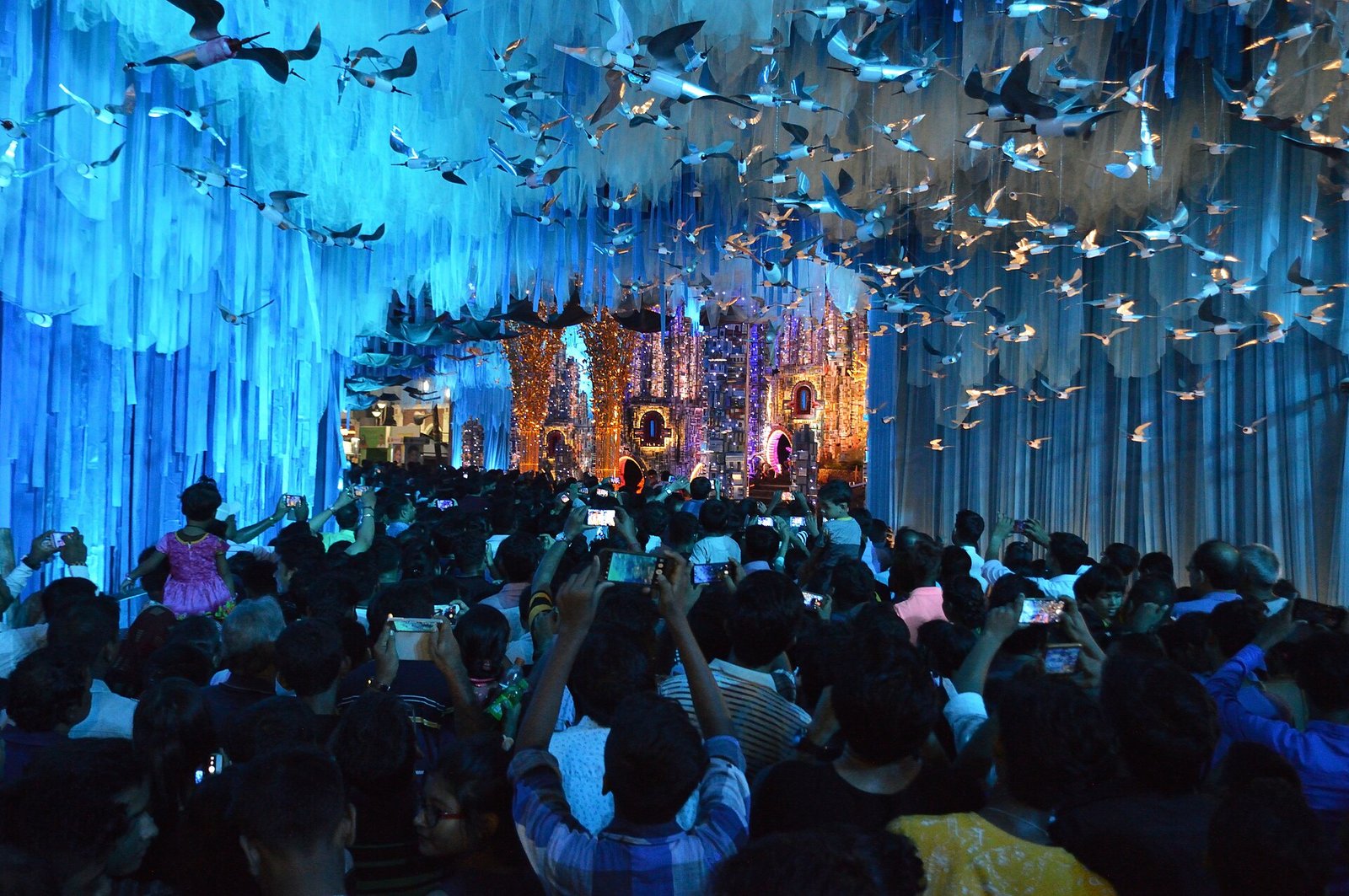
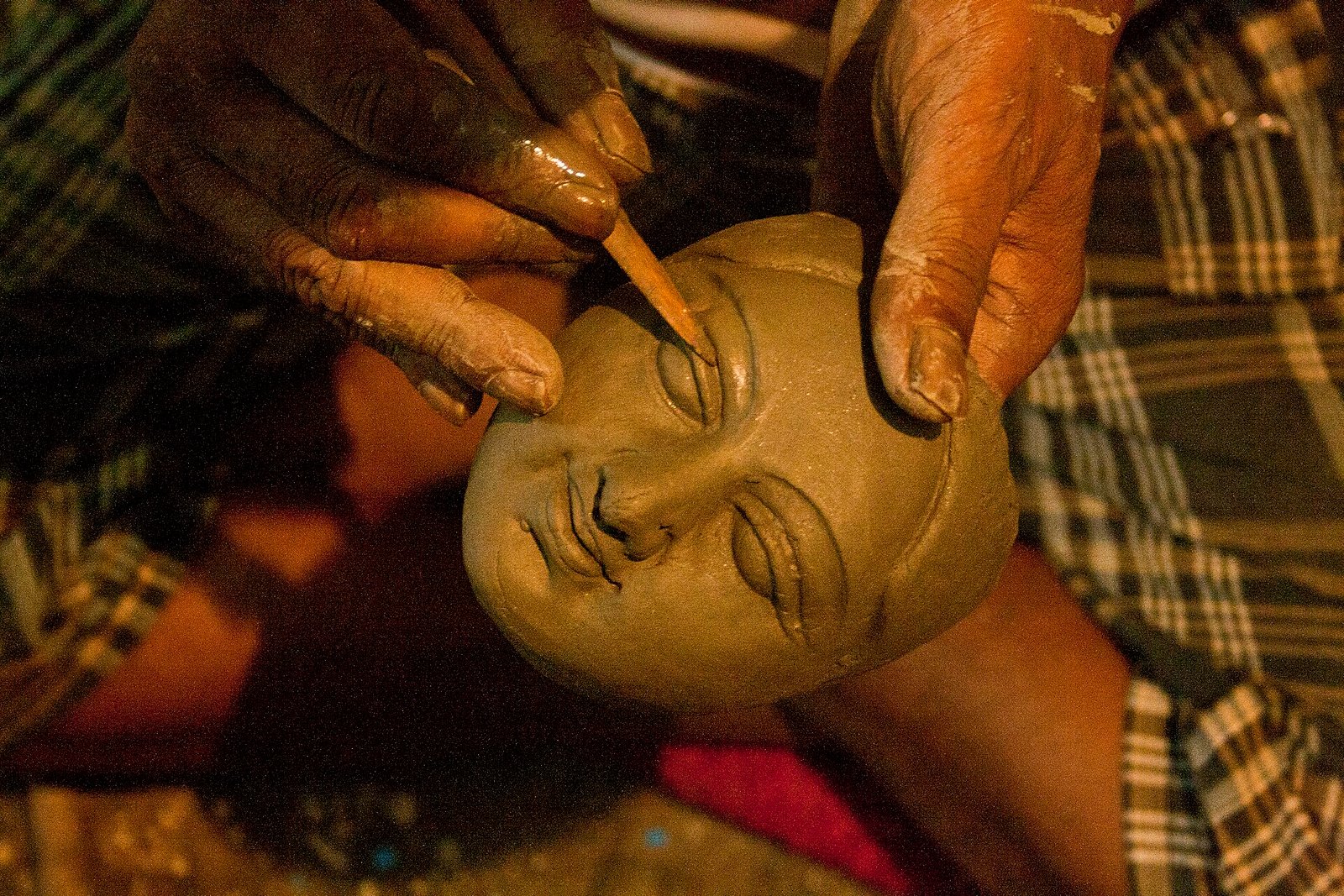
Months before the festival, artisans begin creating clay images of Durga and her accompanying divine family. Temporary structures known as pandals are constructed to house the Goddess. Some maintain traditional visual forms, while others develop elaborate architectural and artistic themes.
The most intensive public celebrations take place over the final days of the festival.
Worship, dhaak drumming, food, visiting pandals, artistic displays and community gatherings transform neighborhoods and streets.
At the end of the festival, the sacred images are carried in procession for immersion.
UNESCO’s documentation emphasizes the festival’s distinctive combination of ritual, craftsmanship, collaborative art and public participation. It also describes the role of families, puja committees, priests, drummers, artists and craftspeople in transmitting the tradition.

Festivals Are Regional Traditions
A single festival name can conceal considerable diversity.
The Goddess worshipped, the ritual sequence, foods, music, artistic styles and local stories may change from one region to another.
DurgaShakti therefore avoids statements such as:
“All Hindus celebrate Navratri by…”
or:
“During Navratri everyone worships the same nine forms in the same order.”
Such claims flatten living traditions.
A more useful approach asks:
- Which region or community is being discussed?
- Which form of Devi is central?
- Is the practice based primarily in a household, temple or public festival?
- Does the tradition have a particular historical development?
- How do local communities describe the practice themselves?
This approach also applies to North Indian Devi pilgrimage, Shakti Peethas, Himalayan Goddess traditions, Northeast India, Nepal and other parts of South Asia.
Festival, Temple and Sacred Geography
Many Goddess festivals are inseparable from particular sacred places.
A temple that receives devotees throughout the year may become a major pilgrimage center during Navratri or another annual celebration.
This is especially significant for Shakti Peethas and regional Devi temples.
North India contains several major Goddess pilgrimage networks, including traditions associated with sites such as Vaishno Devi, Jwala Ji, Naina Devi, Chintpurni, Brajeshwari and Chamunda. Other regions have their own sacred geographies and festival calendars.
The Northeast likewise includes important Goddess sites such as the Tripura Sundari Temple at Matabari, while Bengal’s Kali and Durga traditions connect festivals with temple, neighborhood and artisan communities.
Each of these traditions has its own sacred geography and worship practices.
Dance, Music and Festival Traditions
Music and dance often carry religious meaning during Goddess festivals.
Garba provides one of the clearest examples.
The dance takes place around a sacred center and combines devotional participation with music, movement and community gathering. UNESCO’s documentation emphasizes that Garba is transmitted across generations through families, performers, musicians, craftspeople and community participation.
Bengali Durga Puja has a different soundscape.
The dhaak, a large traditional drum, is strongly associated with the festival, while particular ritual and public contexts may also include conch shells, devotional music and dance.
Other regions bring their own musical traditions to Goddess festivals.
These are not simply entertainment added to worship. In many contexts, performance itself becomes part of how a community participates in sacred time.
Artisans and Sacred Image-Making
Festival worship also depends on skilled human work.
During Durga Puja, artisans create clay images that will exist for a limited period before immersion.
Pandals require designers, builders, painters, lighting specialists and craftspeople.
Garba traditions involve musicians, singers, clothing, ornament and the preparation of sacred spaces.
Household celebrations may involve rangoli, alpana, flower arrangements, lamps, textiles or carefully arranged displays of sacred figures.
UNESCO’s recognition of both Durga Puja and Garba reflects this relationship between religious practice and living cultural knowledge.
DurgaShakti therefore treats festival artisanship as part of the tradition itself rather than as decoration surrounding the “real” ritual.

Household and Public Celebrations
Not every Goddess festival takes place on a monumental public scale.
Some of the most meaningful practices occur within homes.
Families may:
- prepare a household shrine
- fast
- light lamps
- recite prayers
- arrange dolls or sacred images
- prepare festival foods
- invite relatives and neighbors
- begin children’s education
- honor tools, books or musical instruments
Public festivals may involve thousands or millions of people, while household observances create continuity across generations in quieter ways.
Both belong within the study of living Goddess traditions.

Explore Festivals
-
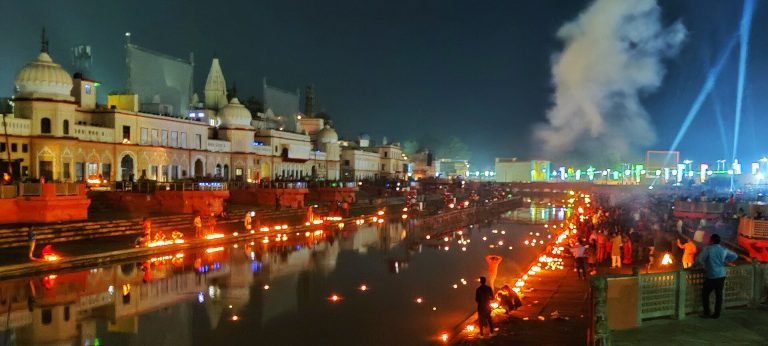
Diwali
Diwali, or Deepavali, is a major festival of lamps celebrated across India and by communities around the world. Its meanings vary by region and…
-
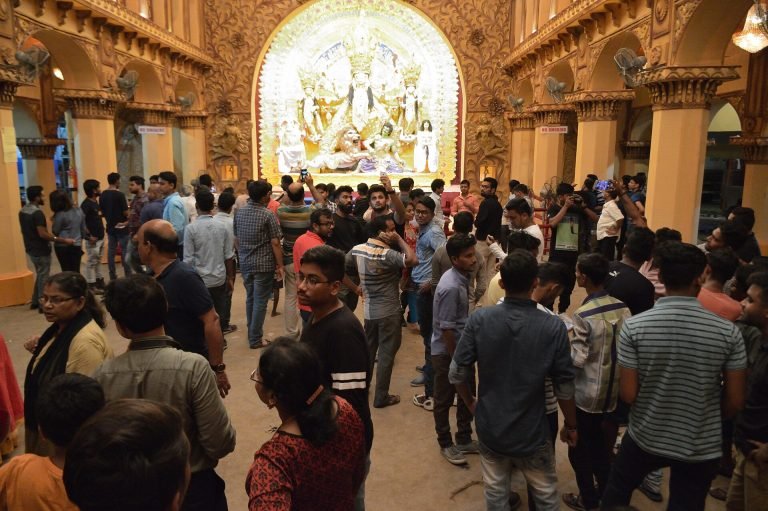
Durga Puja
Durga Puja is a major festival dedicated to Goddess Durga, especially associated with Bengal. It brings together ritual worship, clay image-making, temporary architecture, music,…
-
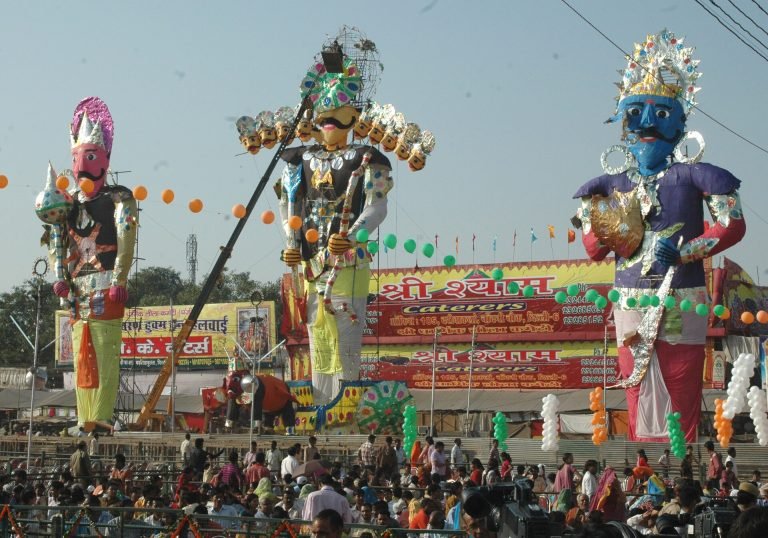
Dussehra and Vijayadashami
Dussehra and Vijayadashami mark an autumn festival occasion associated with the culmination of Navratri. Regional traditions include North Indian Ramlila, Mysuru Dasara, Kullu’s deity…
-
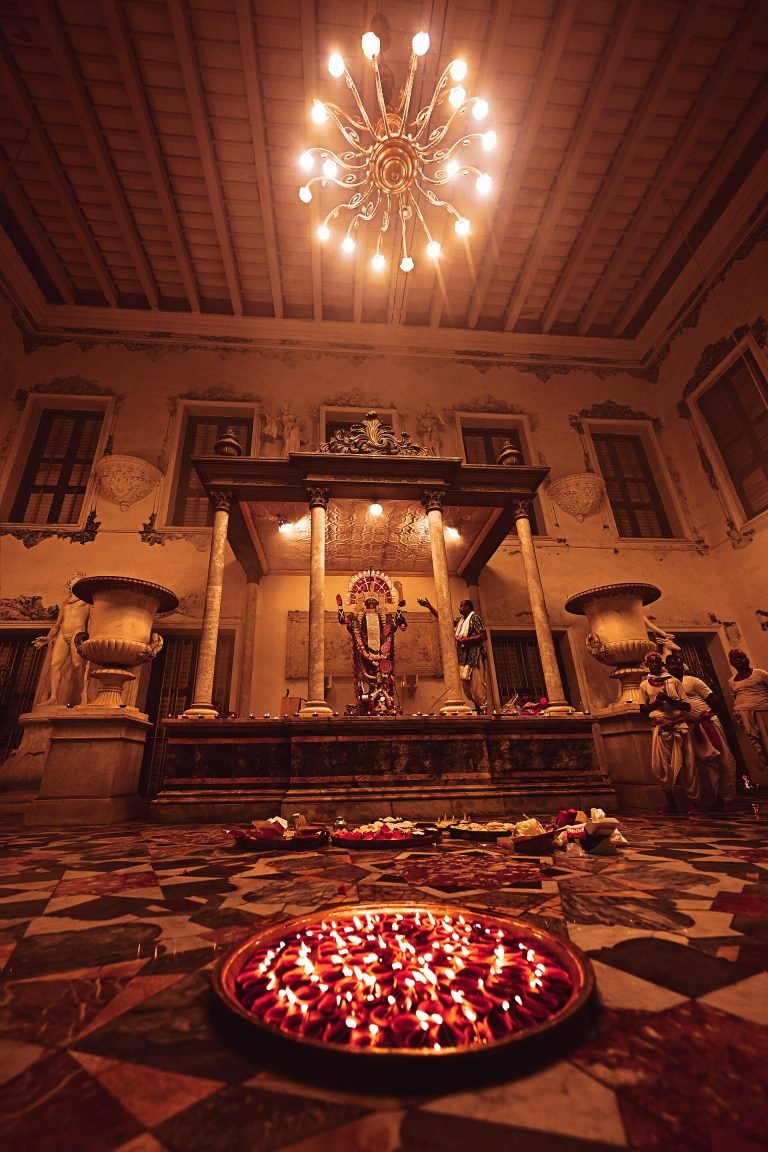
Kali Puja
Kali Puja is an autumn festival centered on Goddess Kali, especially prominent in Bengal. Observed on the new moon night of Kartika, it brings…
-
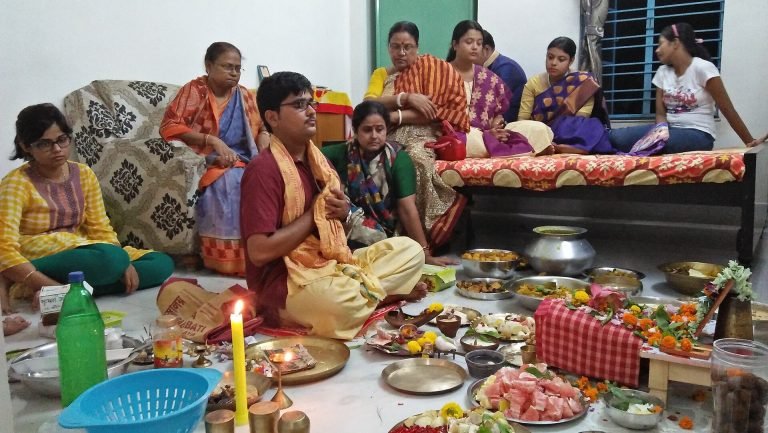
Lakshmi Puja
Lakshmi Puja refers to worship of Goddess Lakshmi in several festival contexts rather than one universal annual observance. Two especially important traditions are Diwali…
-
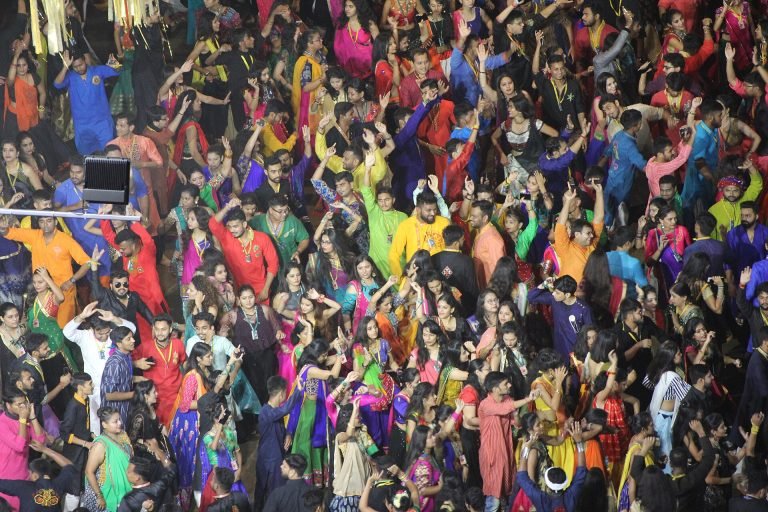
Navratri
Navratri is a nine-night festival cycle dedicated to forms of the Goddess and Shakti. Its practices vary widely across regions, including Garba in Gujarat,…
Sources & Further Reading
UNESCO Intangible Cultural Heritage
Durga Puja in Kolkata
Inscribed in 2021 on UNESCO’s Representative List of the Intangible Cultural Heritage of Humanity.
Useful for:
- Kolkata Durga Puja
- artisan image-making
- pandals
- community participation
- drumming
- immersion
- transmission of festival traditions
Source: UNESCO Intangible Cultural Heritage, ich.unesco.org.
UNESCO Intangible Cultural Heritage
Garba of Gujarat
Inscribed in 2023 on UNESCO’s Representative List of the Intangible Cultural Heritage of Humanity.
Useful for:
- Garba as devotional practice
- Navratri
- Shakti worship
- sacred center of the dance
- community transmission
- music and movement
Source: UNESCO Intangible Cultural Heritage, ich.unesco.org.
Ministry of Tourism, Government of India
Navratri: Nine Nights of Divine Celebration
Useful for an overview of regional forms including Gujarat, North India, Bengal and South India.
Source: Incredible India, Ministry of Tourism, Government of India.
Ministry of Tourism / West Bengal Tourism
Durga Puja
Useful for:
- contemporary festival practice
- pandals
- Kolkata celebrations
- public rituals
- regional cultural context
Source: Incredible India / West Bengal Tourism.