
Nalateswari Temple, Nalhati
Maa Nalateswari / Kalika · Nalhati, West Bengal, India
Shakti Peetha
At Nalhati in Birbhum, Maa Nalateswari is worshipped in a hillock shrine associated with Sati’s throat, with a separate forehead tradition preserved in local accounts.

Quick facts
- Primary deity
- Maa Nalateswari / Kalika
- Location
- Nalhati, West Bengal, India
- Classification
- PN 51 working list
- City / regional gateway
- Nalhati; Rampurhat is a regional gateway
- Airport
- Kazi Nazrul Islam Airport, Durgapur, district-level gateway; nearest usable temple airport not independently ranked
- Major railway station
- Nalhati Junction, regional rail connection
On this page
Spiritual importance and significance
Maa Nalateswari’s shrine gives Nalhati a place within Birbhum’s Goddess pilgrimage landscape. The local deity is approached as a present object of worship, and the name Nalateswari expresses the connection between the shrine and the nala, commonly understood here as Sati’s throat or windpipe.
The selected Pithanirnaya witness names Kali or Kalika, with Yogisha or Yogesha as Bhairava. These textual names belong alongside the temple’s local name. Birbhum Police also identifies the shrine through its throat tradition and the worship of Maa Nalateswari.
Birbhum District Police: institutional descriptions of sacred places.
The throat and forehead traditions
The shrine website recounts the dispersal of Sati’s body after her death at Daksha’s sacrifice. Its account gives the throat association and also records a forehead, or lalata, interpretation. The two explanations help account for the forms Nalateswari and Lalateswari found in descriptions of the place.
The same website preserves more than one story of the shrine’s discovery, including a dream revelation. These stories explain how devotees remember the Goddess becoming known at the site. Their dates should not be read as archaeological dating of the standing temple.
Nalateswari temple website: local history and discovery traditions.
What makes Nalateswari distinctive?
- A Goddess shrine on a low rise within Nalhati town.
- A local name closely connected with the throat association of the Peetha.
- Throat and forehead narratives preserved within the temple’s own account.
History and development
The 1981 Census handbook records the Lalateswari temple among Birbhum’s religious places. It provides a dated documentary reference to the shrine within the district, separate from its sacred account of origin.
The temple website describes a much older foundation and different discovery traditions, but does not supply an inscription or excavation report establishing the age of the present structure. Its long sacred chronology is therefore retained as the institution’s tradition, without assigning it to every visible architectural feature.
Census of India 1981, Birbhum District Handbook, religious places, printed p.19.
The Devi and the temple approach
The temple describes the garbhagriha, or inner sanctum, beneath a raised pinnacle. It associates the sacred form with the throat of Sati and recounts devotees’ beliefs about water offered there. This is an account of the worshipped presence and its ritual interpretation.
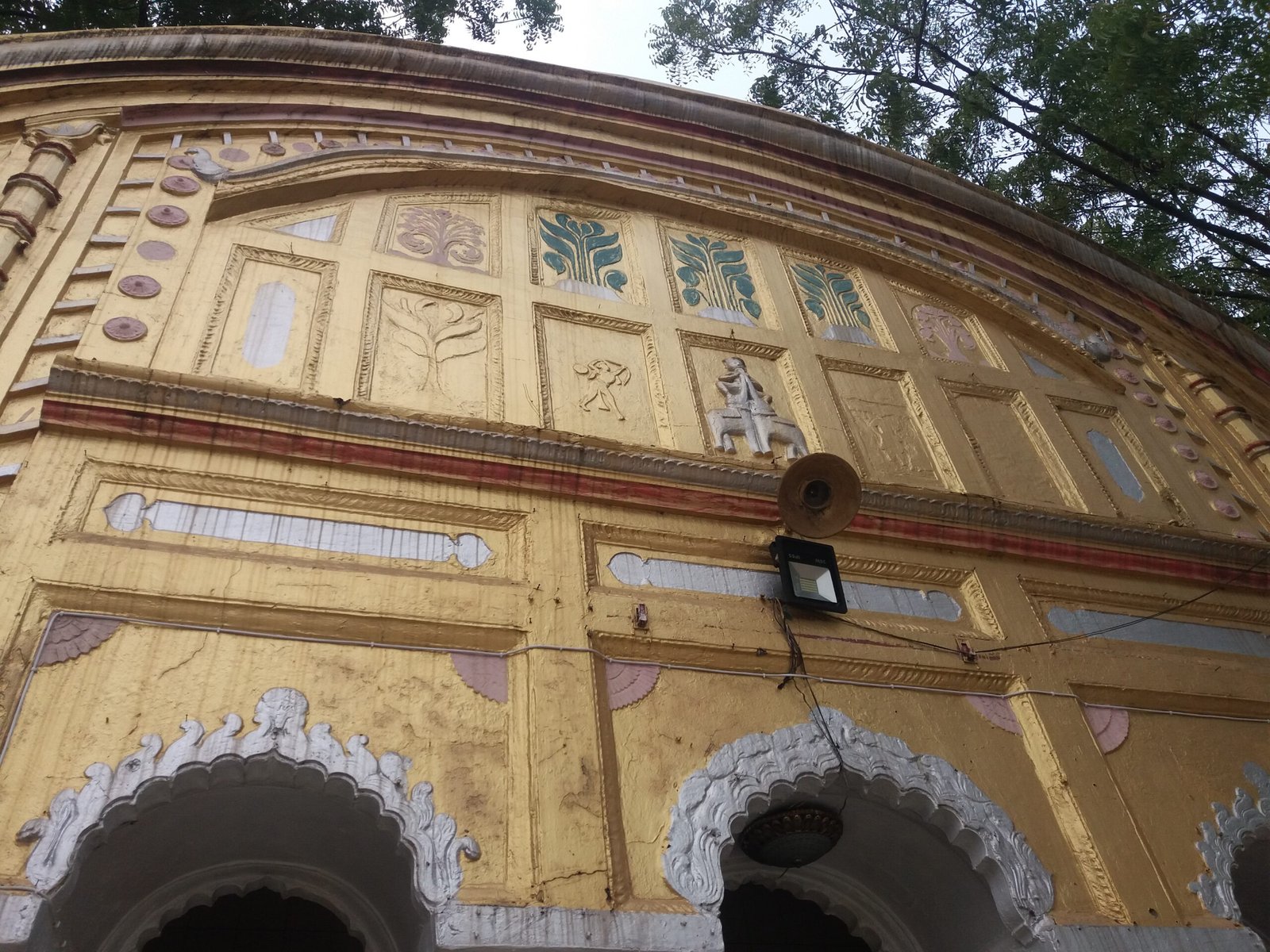
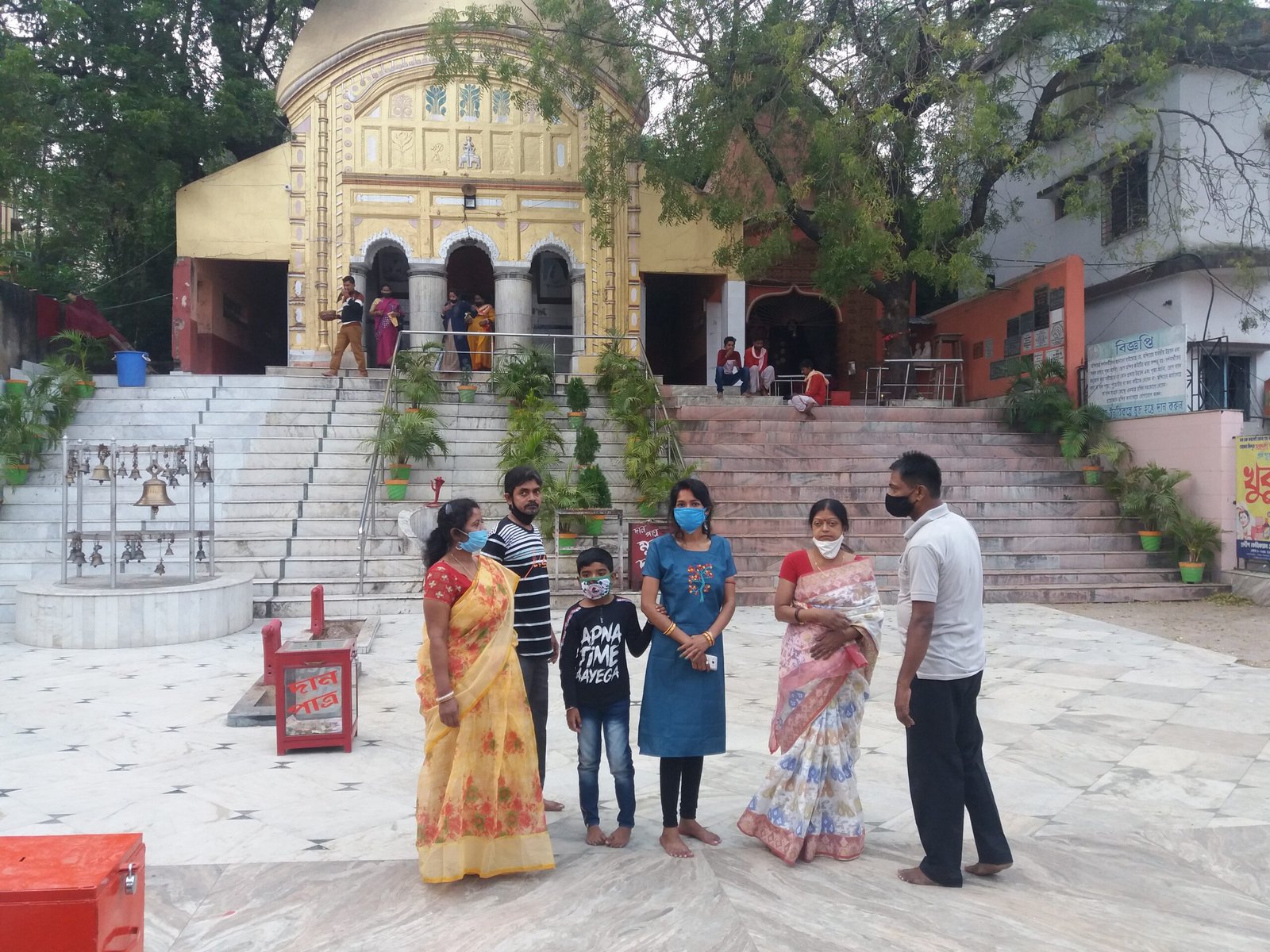
The exterior photographs show the arched front and a stepped courtyard approach with handrails. They document the buildings and access visible on the date of photography. They do not establish the arrangement of the sanctum or permission to photograph its sacred form.
Nalateswari temple website: shrine and contact.
Worship and planning a visit
The shrine maintains a contact page for devotees. Ask directly about current darshan, offerings and festival arrangements, especially if a visit depends on a particular service. A published exact daily timetable has not been independently confirmed.
Nalhati has a railway junction named in the district’s transport guidance. Durgapur’s Kazi Nazrul Islam Airport is a district-level air gateway, but that guidance does not measure its distance to this temple. Plan the final local connection to Temple Road separately.
Birbhum district: regional transport gateways.
Planning Your Visit
- Nearest major city
- Nalhati; Rampurhat is a regional gateway
- Temple location
- Nalhati
- State / province / region
- West Bengal
- Country
- India
- Nearest airport
- Kazi Nazrul Islam Airport, Durgapur, district-level gateway; nearest usable temple airport not independently ranked
- Nearest major railway station
- Nalhati Junction, regional rail connection
- Typical access route
- Reach Nalhati and continue to Nalahati Temple Road. The temple is approached by steps on a low rise.
- Official temple website
- Official temple website
- Government tourism / heritage URL
- Government tourism / heritage URL
- Visitor-information sources and checked date
- Sources reviewed 2026-10-23; linked in Sources. Historical observations are dated separately from current visitor information.
Practical temple information
- Practical access note
- The reviewed entrance photograph shows a broad flight of steps with handrails. An alternative step-free entrance has not been verified.
- Official temple contact
- Temple website: (03465) 255333; nalateshwaribirbhumtemple@gmail.com. Confirm current arrangements directly.
Last verified: . Check the linked institution for changed arrangements.
Nearby sacred and cultural places
Tarapith is another Goddess pilgrimage place in the Rampurhat region, with its own Tara traditions. Birbhum’s institutional descriptions treat it separately from Nalateswari. Its visitor arrangements and onward journey require separate planning.
Birbhum District Police: institutional descriptions of sacred places.
Photos and gallery

Watch / Explore Further
Further reading
- Friederike Grenner, Sakti-Pithas: The Sacred Sites of the Goddess in India (2026)
- Pithanirnaya: Sanskrit text and translation
- D. C. Sircar, The Sakta Pithas (1948), PN numbered table, pp.35–37
Related reading
Sources and method
- Nalateswari temple website: shrine and contact
- Nalateswari temple website: local history and discovery traditions
- Birbhum District Police: institutional descriptions of sacred places
- Birbhum district: regional transport gateways
- Census of India 1981, Birbhum District Handbook, religious places, printed p.19
- Pithanirnaya: Sanskrit text and translation
- Friederike Grenner, Sakti-Pithas: The Sacred Sites of the Goddess in India (2026)
See the 51 Shakti Peethas and the separately sourced 18 Maha Shakti Peethas. Our source method explains how traditional, historical and institutional accounts are used.