
Devikoop Bhadrakali Temple, Kurukshetra
Bhadrakali; Sāvitrī in the selected PN witness · Thanesar / Kurukshetra, Haryana, India
Shakti Peetha
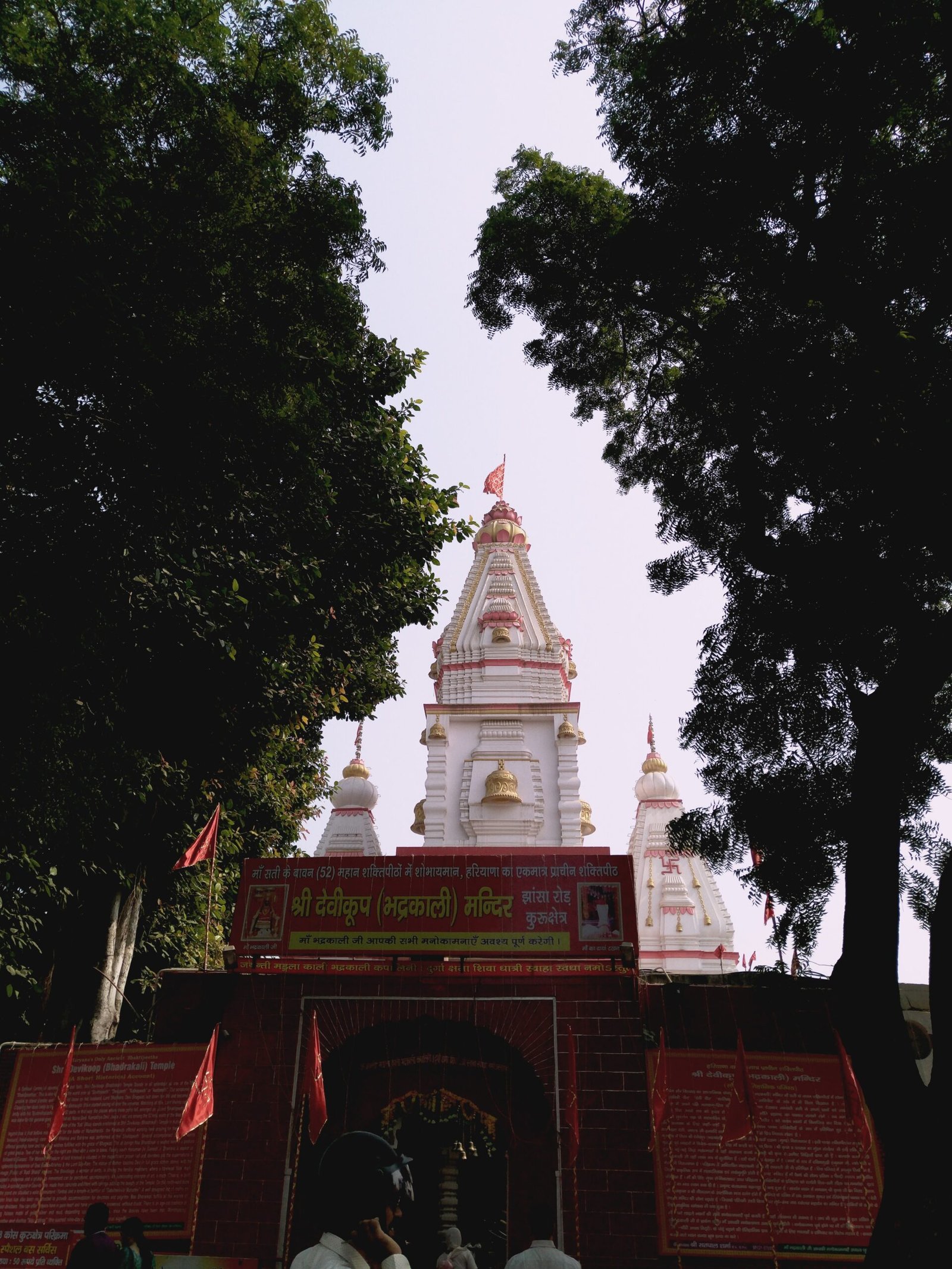
Devikoop Bhadrakali is a Goddess shrine at Thanesar in Kurukshetra, known for its local heel tradition and Navratri observances.

Quick facts
- Primary deity
- Bhadrakali; Sāvitrī in the selected PN witness
- Location
- Thanesar / Kurukshetra, Haryana, India
- Classification
- PN 51 working list
- City / regional gateway
- Kurukshetra
- Major railway station
- Kurukshetra Junction
- Major festival periods
- Vasant and Sharad Navratri melas
On this page
Spiritual importance and significance
Devikoop Bhadrakali is a living Goddess shrine in the Thanesar area of Kurukshetra. The district administration identifies it as a Shakti Peetha and describes the local association with Sati’s right heel. Bhadrakali is the temple’s living devotional name.
Kurukshetra’s sacred landscape includes many different tirthas and traditions. The Goddess shrine has its own place within that landscape, alongside centres of Shiva worship and sites associated with the Mahabharata.
Kurukshetra district: official Devikoop Bhadrakali darshan video.
Savitri, Bhadrakali and the sacred story
The selected Pithanirnaya witness names Kurukṣetra with Sāvitrī and Sthāṇu, and records an ankle association. The district’s Bhadrakali account specifies the right heel. These are related sacred-geographical traditions with different wording; the textual name and the present temple name should both remain visible.
The Sati narrative explains how a place becomes a seat of the Goddess after the dispersal of her body. The district also records the tradition of the Pandavas receiving blessings here. These accounts concern sacred memory and devotion rather than an independently established building chronology.
Pithanirnaya: Sanskrit text and translation.
What makes Devikoop Bhadrakali distinctive?
- A locally specified right-heel tradition within the wider Kurukshetra Peetha association.
- Devikoop and the adjoining Shiva shrine form part of the complex identified by the district.
- Vasant and Sharad Navratri melas give the temple a recurring place in the regional Goddess calendar.
The Devi and the complex
The temple’s name preserves Bhadrakali as its particular form of the Goddess. The district’s darshan resource offers a visual introduction to the shrine and its worship setting. It is preferable to consult that documented view rather than infer the identity of an unlabelled image found elsewhere.
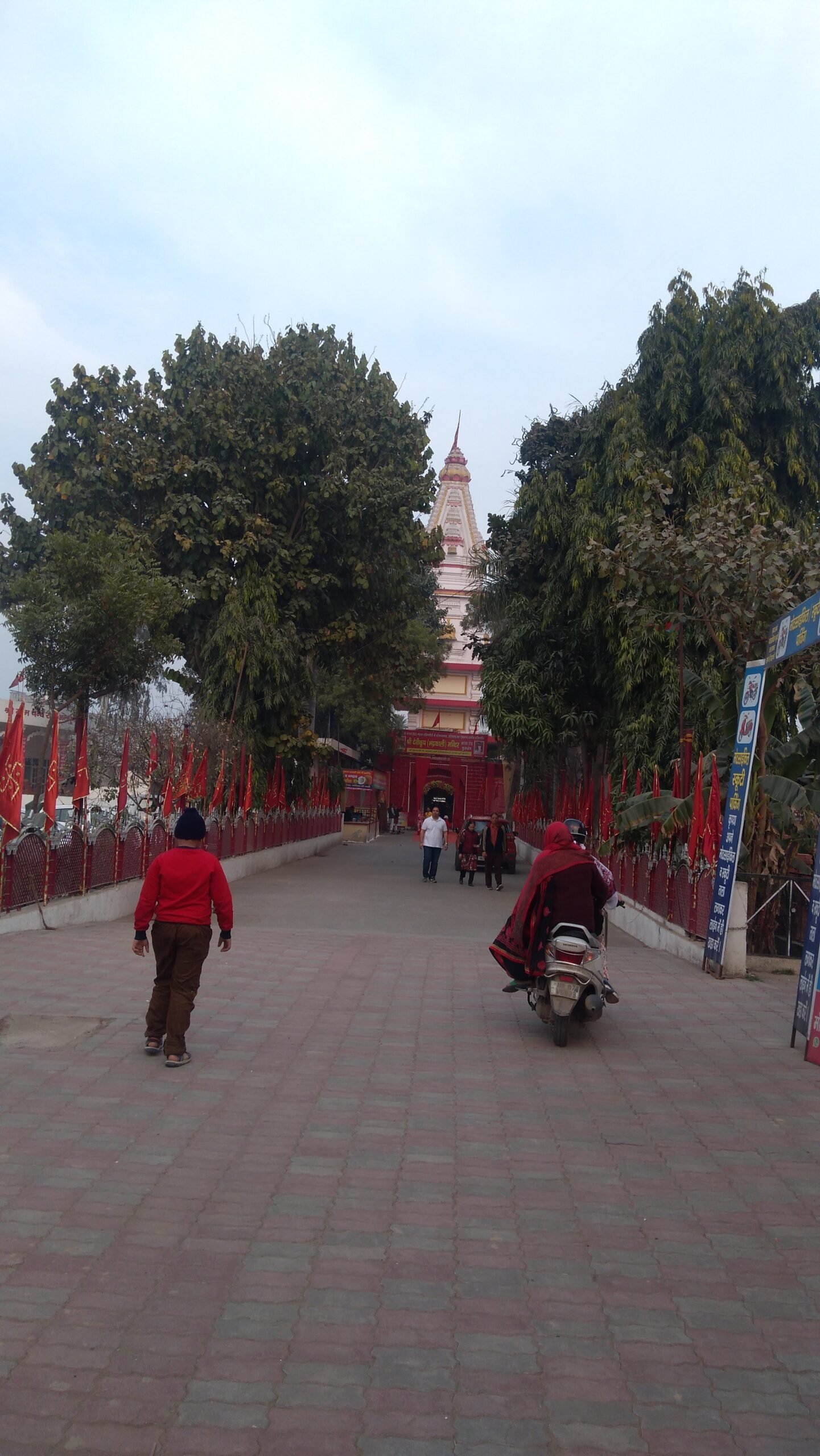
The district lists Devikoop, Shiv Mandir and Shani Mandir among the complex’s attractions. Their presence places Goddess worship within a group of related shrines. Follow local guidance when entering each area.
Kurukshetra district: Shri Devikoop Bhadrakali Shaktipeeth.
Worship and Navratri
The district temple page lists both Vasant Navratri and Sharad Navratri melas. These are the clearest documented annual visiting periods in the sources used here. A current mela announcement should be checked for access arrangements and darshan changes.
A festival listing does not establish a numerical crowd forecast or guarantee a quiet alternative day. Allow flexibility for queues and local instructions when visiting during an observance.
Kurukshetra district: Shri Devikoop Bhadrakali Shaktipeeth.
Reaching the temple
Kurukshetra Junction is the rail gateway identified by the district’s temple page, which gives an approximate four-kilometre connection. Arrange local road transport for the final approach and confirm the destination as Devikoop Bhadrakali, since the wider city has many sacred sites.
The district’s public resources are useful for recognising the shrine and its surroundings. Recheck current travel connections separately from historical and religious descriptions.
Kurukshetra district: Shri Devikoop Bhadrakali Shaktipeeth.
Planning Your Visit
- Nearest major city
- Kurukshetra
- Temple location
- Thanesar / Kurukshetra
- State / province / region
- Haryana
- Country
- India
- Nearest major railway station
- Kurukshetra Junction
- Distance source, endpoints and method
- District temple page lists the railway-to-temple road approach as 4 km; approximate published visitor distance, not an independently measured route.
- Typical access route
- Use Kurukshetra Junction or the city bus connections, then arrange local road transport to Devikoop Bhadrakali in Thanesar.
- Important festival periods
- Vasant and Sharad Navratri melas
- Official temple website
- Official temple website
- Government tourism / heritage URL
- Government tourism / heritage URL
- Visitor-information sources and checked date
- Sources reviewed 2026-10-22; linked in Sources. Historical observations are dated separately from current visitor information.
- Approx. road distance from railway station
- About 4 km, as listed by the district administration
Practical temple information
- Opening pattern
- Check the district temple page and contact the shrine for current darshan arrangements, especially at Navratri.
Last verified: . Check the linked institution for changed arrangements.
Nearby sacred and cultural places
Sthaneshwar Mahadev, Sheikh Chilli’s Tomb and Raja Harsha ka Tila appear in the district’s nearby-place list. They represent different religious and historical layers of Thanesar. Check individual entry arrangements if you wish to visit them; this profile does not combine them into a prescribed pilgrimage route.
Kurukshetra district: Shri Devikoop Bhadrakali Shaktipeeth.
Photos and gallery

Watch / Explore Further
Further reading
- Pithanirnaya: Sanskrit text and translation
- D. C. Sircar, The Sakta Pithas (1948), PN numbered table, pp.35–37
Related reading
Sources and method
- Kurukshetra district: Shri Devikoop Bhadrakali Shaktipeeth
- Kurukshetra district: official Devikoop Bhadrakali darshan video
- Kurukshetra district: sacred and cultural places
- Pithanirnaya: Sanskrit text and translation
See the 51 Shakti Peethas and the separately sourced 18 Maha Shakti Peethas. Our source method explains how traditional, historical and institutional accounts are used.