
Mahishamardini and Bakreshwar Temples, Birbhum
Mahishamardini · Bakreshwar, West Bengal, India
Shakti Peetha
At Bakreshwar, Mahishamardini’s Peetha tradition shares a sacred landscape with Shiva worship and the region’s documented hot springs.

Quick facts
- Primary deity
- Mahishamardini
- Location
- Bakreshwar, West Bengal, India
- Classification
- PN 51 working list
- City / regional gateway
- Bakreshwar; Suri and Dubrajpur are regional connections
- Airport
- Kazi Nazrul Islam Airport, Durgapur, district-level gateway; temple-specific nearest-airport comparison unverified
- Major railway station
- Dubrajpur, regional station; confirm onward road connection
On this page
Spiritual importance and significance
Bakreshwar brings Goddess and Shiva worship into the same pilgrimage setting. The selected Pithanirnaya witness names Mahishamardini as the Goddess and Vakranatha as Bhairava. The name Bakreshwar is also used for the locality and its Shiva temple.
The association in this textual witness is manas, or mind. Regional summaries sometimes speak of the eyebrow or forehead. Those formulations need to remain distinct: a mental association in the selected text cannot simply be rewritten as an anatomical claim.
Pithanirnaya: Sanskrit text and translation.
Ashtavakra and the Peetha tradition
Birbhum district recounts Ashtavakra’s penance and Shiva’s blessing as part of Bakreshwar’s sacred story. This connects the place name and Shiva worship with the sage remembered for his bent bodily form.
The Goddess’s Peetha association belongs to the Sati tradition and its lists of sacred seats. These narratives meet in the same pilgrimage landscape, but they explain different aspects of its religious identity. Neither supplies a measured age for the surviving temple buildings.
Birbhum district: Bakreswar temple and Ashtavakra tradition.
What makes Bakreshwar distinctive?
- Goddess worship centred on Mahishamardini alongside the Bakreshwar Shiva tradition.
- The selected textual association with mind.
- Hot springs studied as a geothermal system as well as encountered within a pilgrimage landscape.
Historical record and the hot springs
The Census handbook identifies Bakreswar as a pilgrimage place in Birbhum. Togawa’s regional account also describes its combination of Goddess pilgrimage and hot-spring visits. These are documentary observations about the site’s regional role.
A 2020 geophysics preprint by Maji, Khutia and Chaudhuri examines the Bakreswar geothermal reservoir using the Agni Kunda spring. Its scientific evidence concerns geothermal processes. It does not establish the foundation date of Mahishamardini’s shrine or prove a therapeutic effect for visitors.
Chiranjit Maji, Saroj Khutia and Hirok Chaudhuri: Bakreswar geothermal study (2020 preprint).
Mahishamardini and the temple precinct
Mahishamardini is the form of the Goddess named at Vakreshvara in the selected list. The epithet recalls the Goddess’s defeat of the buffalo demon. It should not be taken as an identification of every sacred object visible in general photographs of the complex.
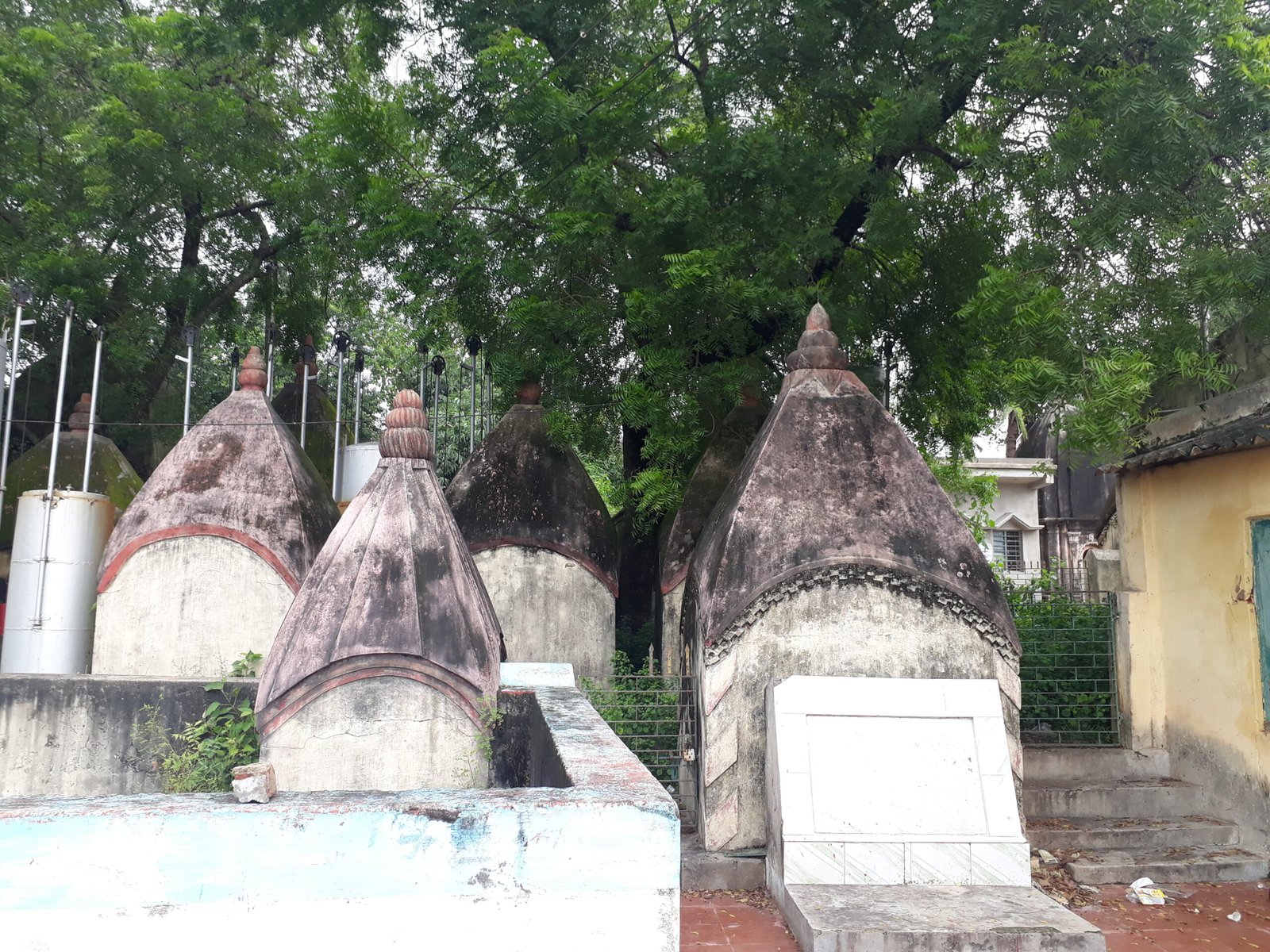
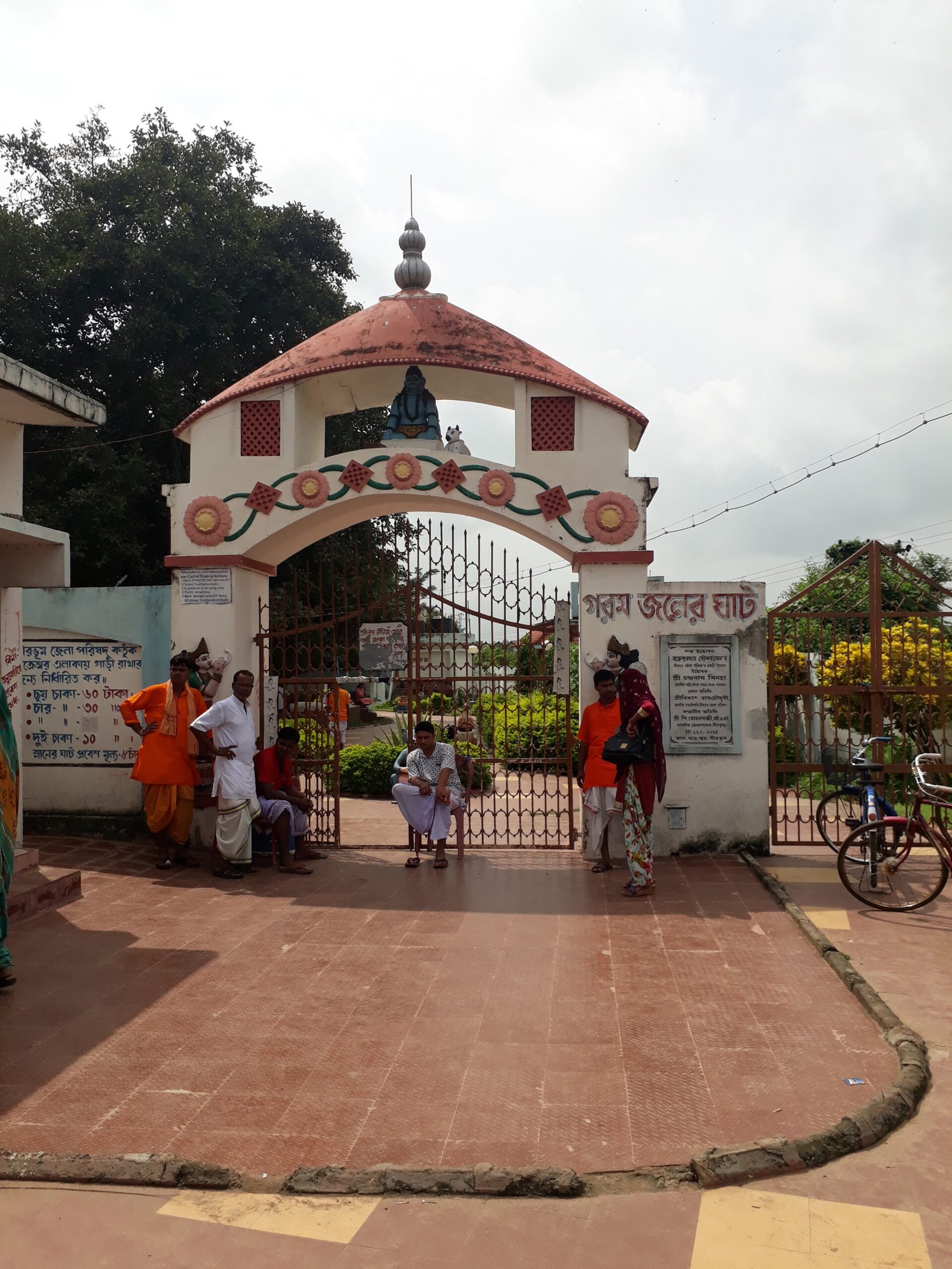
The documentary views show the precinct and its temple buildings. The principal Goddess image has not been reproduced here without a separately verified image identification and reuse license. The hot springs also require their own visitor arrangements, apart from darshan.
Pithanirnaya: Sanskrit text and translation.
Worship, springs and visiting
Visitors may come for Goddess worship, Shiva worship or the hot-spring setting. Check current worship and bathing arrangements separately. No exact daily schedule or reliable peak/busy/quieter calendar has been established for this profile.
Birbhum district lists Dubrajpur among its railway towns and Durgapur as an air gateway for the district. These regional connections do not establish measured distances to the shrine. Confirm local transport, entrance access and any restrictions at the springs before travel.
Birbhum district: regional transport gateways.
Planning Your Visit
- Nearest major city
- Bakreshwar; Suri and Dubrajpur are regional connections
- Temple location
- Bakreshwar
- State / province / region
- West Bengal
- Country
- India
- Nearest airport
- Kazi Nazrul Islam Airport, Durgapur, district-level gateway; temple-specific nearest-airport comparison unverified
- Nearest major railway station
- Dubrajpur, regional station; confirm onward road connection
- Typical access route
- Arrange road travel to the temple area at Bakreshwar. Confirm the particular shrine entrance and onward local connection.
- Government tourism / heritage URL
- Government tourism / heritage URL
- Visitor-information sources and checked date
- Sources reviewed 2026-10-23; linked in Sources. Historical observations are dated separately from current visitor information.
Practical temple information
- Practical access note
- The temple precinct and hot-spring area are separate spaces. Confirm mobility access and any bathing arrangements locally.
Last verified: . Check the linked institution for changed arrangements.
Nearby sacred and cultural places
Suri and Dubrajpur provide the immediate regional context. Birbhum’s other Goddess shrines, including Nalateswari and Kankalitala, have separate identities and travel requirements. The geothermal research concerns the Bakreshwar area itself, rather than a temple itinerary.
Census of India 1981, Birbhum District Handbook, religious places, printed p.19.
Photos and gallery

Watch / Explore Further
Further reading
- Friederike Grenner, Sakti-Pithas: The Sacred Sites of the Goddess in India (2026)
- Pithanirnaya: Sanskrit text and translation
- D. C. Sircar, The Sakta Pithas (1948), PN numbered table, pp.35–37
Related reading
Sources and method
- Birbhum district: Bakreswar temple and Ashtavakra tradition
- Masahiko Togawa, Banglapedia: Sakta-pitha
- Chiranjit Maji, Saroj Khutia and Hirok Chaudhuri: Bakreswar geothermal study (2020 preprint)
- Birbhum district: regional transport gateways
- Census of India 1981, Birbhum District Handbook, religious places, printed p.19
- Pithanirnaya: Sanskrit text and translation
- Friederike Grenner, Sakti-Pithas: The Sacred Sites of the Goddess in India (2026)
See the 51 Shakti Peethas and the separately sourced 18 Maha Shakti Peethas. Our source method explains how traditional, historical and institutional accounts are used.